

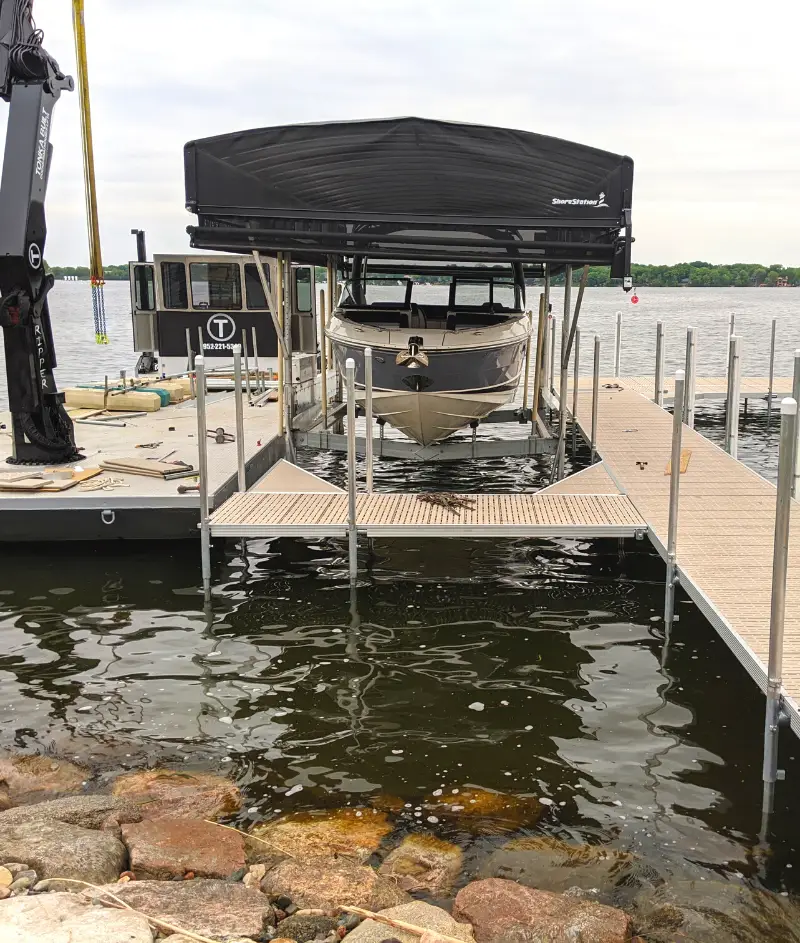
Building a Boat Dock: A Comprehensive Guide for Boat Owners
Enjoying your boat on the water? You must know where to rest your water vehicle when not using it! Having a reliable and sturdy dock is key. Whether you own a fishing boat or a luxurious yacht, building a boat dock offers numerous benefits that can greatly enhance your boating experience.
A boat dock is essentially an elevated platform constructed along the shoreline of bodies of water like lakes or rivers. It provides convenient access to board and disembark from your vessel while also serving as storage space when not in use. Additionally, it acts as a secure docking point during stormy weather conditions.
Learn from us everything you need to know about building that dreamboat haven—your very own custom-made pontoon paradise!
Why Build a Boat Dock?
Imagine – you arrive at the lake with your friends for some leisurely fun on the waters but struggle with finding safe and stable mooring locations amidst fluctuating levels. By having your own well-built dock right on your waterfront property, those worries vanish! You gain complete control over where to anchor according to changing water depths or even low tide situations, which avid boaters often face.
You’ll have easy access to saving time by unloading supplies onto boats that are overloaded by excited kids eagerly paddling their way out further into open water. Docks also grant the privilege of enjoying moments close to the lake’s edge without getting soaked!
Types of Boat Docks
When it comes to boat dock building, consider the types according to your preference. Each type has its own advantages based on factors like location, water conditions, personal preference, etc.
Floating Docks
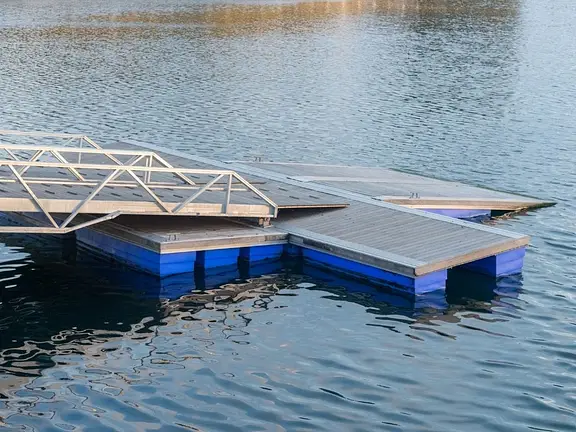
Floating docks, as the name suggests, are designed to rest on the surface of the water. They are versatile and can easily adapt to fluctuating water levels. These docks use a system of pontoons or drums that allow them to float while providing stability for your boat. Floating docks work well in areas with changing water depths or where there is no access to permanently anchor a dock into the lake bottom.
According to the BoatUS Foundation’s survey data, floating docks have gained popularity due to their flexibility and ease of installation.
Permanent Docks
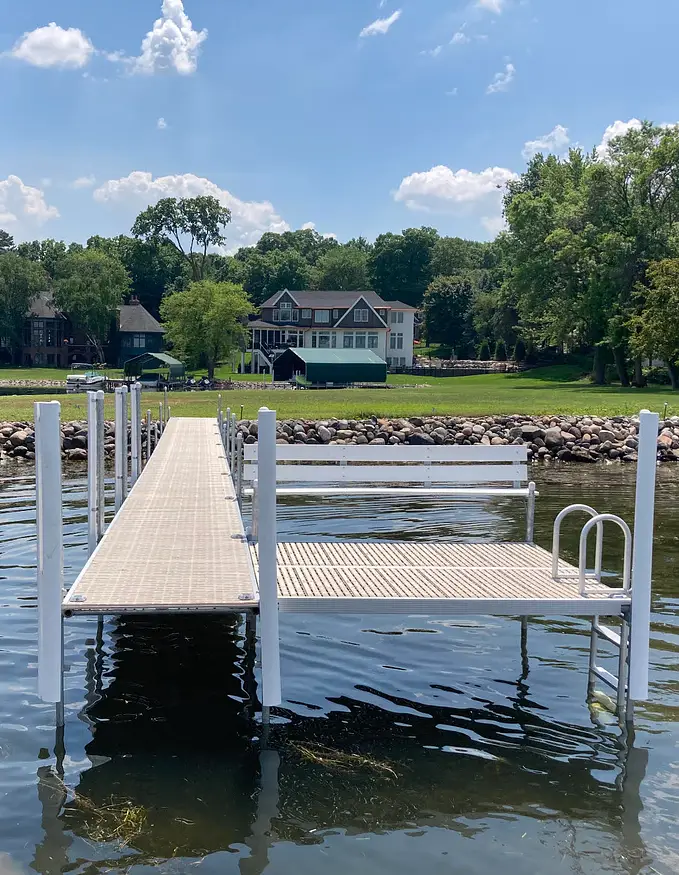 Permanent docks, also known as stationary docks, are fixed structures built on pilings driven into the lake or river bottom. These docks offer a more solid and stable platform for your boat with minimal movement. They are ideal for areas where water levels remain consistent year-round.
When considering maintenance and durability, permanent docks made from galvanized steel or pressure-treated wood can withstand harsh weather conditions and last for many years. It’s important to check local regulations before constructing a permanent dock, as there may be specific guidelines in place.
Hybrid Docks
Hybrid docks combine the benefits of both floating and permanent docks. They are designed to be partially submerged in water while also resting on supporting poles or pilings driven into the lake bottom. This design offers stability and durability, making it ideal for areas with fluctuating water levels or moderate wave action.
According to a study conducted by the International Association of Marine Contractors, hybrid dock systems have shown great resistance against corrosion. The study also expressed that these docks have proven to be highly durable compared to other types of boat docks available on the market today.
Considerations When Building a Dock
Before you grab your tools and start hammering away, there are some crucial aspects to consider when building your boat dock. The water depth, fluctuations in water levels, and local weather conditions can all impact the design and functionality of your dock. There are some other factors too!
Water Depth
The water depth is a crucial factor to consider when building your boat dock. It determines the type of dock you need and how it will be anchored.
For shallow waters, a fixed dock with pilings may work best, while deeper waters might require a floating dock that can adjust to fluctuating water levels. Take into account any variations in the lake or river bottom to ensure proper construction and stability for your vessel’s safe mooring.
Water Fluctuations
Water fluctuations can pose challenges when building a boat dock. If you’re on a lake or river with water levels that rise and fall, it’s essential to choose the right type of dock that can adapt to these changes.
A floating dock system is an excellent option as it allows for flexibility and prevents damage caused by fluctuating water levels, ensuring your dock remains safe and functional at all times.
Local Weather
Don’t forget to consider the local weather conditions if you are thinking of a dock. Strong winds, heavy rainfall, and harsh sun exposure can all take a toll on your dock’s durability and lifespan.
For instance, if you’re in an area prone to hurricanes or storms with high wind speeds, opting for sturdy materials like galvanized steel or composite decking can ensure that your dock withstands such weather events without damage. Taking local climatic factors into account will help you build a more resilient and long-lasting boat dock that stands up against Mother Nature’s whims.
Floor conditions
Before you start designing that dreamy deck, make sure you know how to work around different types of flooring conditions of the water body around you!
This includes understanding the stability and composition of the lake or river bottom. Soft sediment or muddy areas may require additional measures like pilings filled with concrete for added support. Properly assessing and addressing floor conditions ensures a stable foundation for your dock.
Materials
Choosing the right materials is essential for a durable and long-lasting boat dock. Consider using pressure-treated wood or composite decking materials, which are resistant to warping, rotting, and pests. PVC decking material is also gaining popularity due to its durability and low maintenance requirements.
Additionally, galvanized steel hardware offers corrosion resistance in waterfront environments. Selecting high-quality materials ensures the longevity of your dock against harsh weather conditions and constant exposure to water.
Budget
Setting the right budget is absolutely vital. Consider your financial constraints and prioritize the features you desire within that framework. Keep in mind that factors such as material selection, size of the dock, additional accessories like boat lifts or lighting, and labor costs can all impact your overall expenses.
It’s best to plan ahead and have a clear understanding of what you’re willing to invest in before embarking on your dock-building project.
Process of How to Build a Boat Dock
Are you ready for the exciting journey of building your own boat dock? Let’s walk you through each step, from planning and researching local codes and permits to birthing the frame of your dock.
Planning Your Boat Dock
Before diving into the construction of your boat dock, it’s crucial to take some time for careful planning. Consider how you will use the dock and factor in any specific needs or preferences.
When designing your boat dock, think beyond just a space to anchor your vessel. Will you want furniture on the dock? Perhaps an area for fishing or sunbathing? Incorporating these elements into your plan can enhance usability and enjoyment.
Take note of important considerations such as sunlight exposure. If placing the dock in full sunlight, using light-colored decking materials can help prevent burning feet on hot summer days.
Safety should also be a priority when designing your boat dock. If people will be jumping off it, consider extending one end away from the footers to provide a safer landing spot. In shallow waters, incorporating railings into the design helps prevent accidents.
Researching Local Building Codes and Permits
Familiarize yourself with the local building codes and permits required for your boat dock’s construction. While some areas may not have specific regulations in place, it’s always wise to double-check with your local town or municipality.
Even if a permit isn’t necessary, filing plans can be beneficial to ensure compliance. Additionally, checking for any specific ordinances will help prevent any surprises down the line that could potentially delay or halt your project.
Determining Dock Height and Layout
When deciding the height of your boat dock, it’s important to strike a balance between accessibility and avoiding excessive submergence. You want to ensure that enough of the dock remains above water level for durability while still allowing easy access to your boat and recreational activities like fishing.
A good rule of thumb is to position the bottom beams a few inches above the highest potential waterline. Take into account factors such as fluctuating water levels due to rainfall or seasonal changes. For lakes, you can identify this by locating runoff points, which are typically placed at maximum lake levels. In smaller bodies of water, historical records or natural stone outcroppings can give insights into past high-water marks.
Building the Dock Foundation (Footers)
When it comes to building a strong and durable dock foundation, sinking wooden posts directly into the water bed may not provide optimal stability. To ensure longevity for your dock, consider using PVC pipes filled with concrete as footers.
Using either a 12-inch or 18-inch PVC pipe can help support the structure. The pipe should extend several inches above the water level, preventing any exposed wood from submerging. For added stability, sink the PVC pipe at least three feet into the bed using a post-hole digger.
Once secured in place within the holes of desired depth, pour concrete around each post inside its designated PVC sleeve. Allow sufficient time for curing before trimming any excess height off of your now firmly attached 8- to 10-foot-long treated lumber posts.
Constructing the Dock Frame
With the footers and outer posts securely in place, it’s time to construct the frame of your boat dock. This process closely resembles building a deck.
To start, create a sturdy framework according to your predetermined measurements and shape. Once complete, you can then proceed to apply the decking material of your choice.
It is advisable to wait until this stage before installing shoreline support posts. The completed frame adds stability and provides more accurate measurements for the proper placement of these additional posts.
By following this step-by-step approach, you’ll be one step closer to having a solid foundation for your boat dock that will withstand years of enjoyment on the water.
Video Credit:Cottage Life
Which Dock Decking Material is the Best to Build With?
Wood
Wood is a popular choice due to its affordability and widespread availability. Pressure treated wood, in particular, is commonly used for dock construction. However, keep in mind that all types of wood can be prone to issues such as splintering, rotting, and warping over time. Maintenance becomes crucial with wooden docks if you want them to last longer.
Composite
Composite decking is an alternative made from a blend of materials like wood fiber and various plastics. It provides durability while requiring minimal maintenance compared to traditional wooden docks. However, organic components within composite materials may leave them vulnerable to mold or mildew growth.
Metal
Metal options like aluminum or steel offer excellent strength characteristics but come with their own considerations, too. Aluminum typically requires less maintenance than wood but can get hot under direct sunlight. On the other hand, steel offers superior durability against harsh waves but may be more challenging when it comes to installation efforts.
PVC
You might be someone seeking exceptional resistance against moisture-related problems such as mold or mildew growth. Then, the use of PVC (polyvinyl chloride) dock decking might just be the ideal solution! You can also enjoy other benefits, like lightweight composition and easy upkeep. PVC decks don’t succumb easily through rotting or splintering processes while maintaining cool temperatures even during hot weather conditions.
What is the Difference Between a Fixed and Floating Dock?
A fixed dock or a stationary dock provides a solid foundation by being firmly attached to the bottom of the water body where your dock resides. These sturdy structures are typically made from materials like wood or concrete and are built at a specific height. Due to their stability, many fixed dock owners choose to add additional amenities such as gazebos or seating areas.
In contrast, floating docks do not rely on sinking frameworks into the waterbed. Because they remain secured to land while using steel tubes, barrels, or air chambers for flotation purposes. This allows them to adapt effortlessly to ever changing water levels.
How Much Does a Boat Dock Cost?
The answer to this important question depends on various factors, such as the type of dock you choose and its specifications. Different types of docks come with their own pros and cons. While stationary docks are initially more affordable, floating docks offer flexibility in water levels.
Factors like materials used for construction also affect costs; pressure-treated wood may be less expensive compared to composite decking but requires regular maintenance.
It’s best to plan your budget according to your specific needs and preferences before diving into this exciting dock project!
Install your Boat Dock With Tonka Built!
Partner up with Tonka Built for a boat dock that combines durability and style! We take pride in our superior decking materials, which are designed to withstand the harshest weather conditions while maintaining their pristine appearance. Our experienced docking crew ensures a seamless installation process tailored specifically to meet your unique needs and preferences.
At Tonka Built, we believe in delivering on our promises and providing customer-centric service. Your satisfaction is our top priority. Whether you want a stationary dock or prefer the versatility of a floating dock system, we have the expertise to bring your vision to life.
For all-inclusive solutions that guarantee peace of mind as you relish Lake Minnetonka’s beauty, contact us today!
Leave a Comment
You must be logged in to post a comment.