


Complete Guide to Residential Boat Dock Design
Residential boat dock design is paramount for homeowners who want to enhance their waterfront homes. A well-designed residential dock works to add functionality and enhance the property’s aesthetic appeal. Your dock can significantly enhance your overall experience, whether you’re boating, kayaking, simply taking in the view, or a fishing enthusiast.
The factors involved in designing a high-quality and functional dock are essential for anyone looking to modify or construct a new dock. From selecting the right materials to considering water levels and site conditions, there are several aspects that need careful consideration.
This article aims to enlighten readers about various factors they should consider when it comes to designing their own dreamboat dock at home on Lake Minnetonka. Keep reading if you want your residence mesmerized with a stunning dock,
Types of Residential Boat Docks
When it comes to creating a dock for a home, there are several types to choose from. Each type offers unique advantages and considerations depending on your specific needs and preferences. Here are three common types of residential docks:
Floating Docks
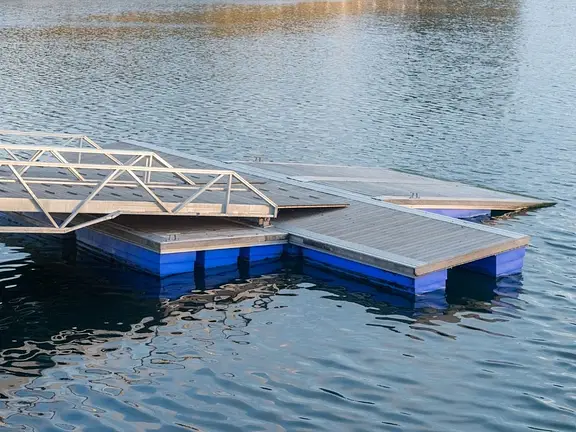
Floating boat docks are versatile options that adjust with the water’s height. This makes them ideal for areas where water heights fluctuate or in locations with rough waves or tidal changes.
These docks use pontoons or barrels underneath the surface to provide buoyancy and stability. This makes them the perfect kayak, PWC, and jet ski docks.
Floating docks can be constructed using materials like aluminum frames with wooden decks, wooden posts, PVC, or durable polyethylene. They are easy to install.
Fixed Docks
Fixed (or stationary) docks offer a permanent structure that is securely anchored into the lakebed. It’s done by using pilings driven deep into the ground beneath the water’s surface. This keeps the dock out of the water.
Fixed docks are typically built from sturdy materials, such as
- Pressure treated lumber
- Composite dock decking boards made from recycled plastics
- Wood fibers that are sealed together by heat compression molding techniques, known as HDPE (High-Density Polyethylene).
These fixed structures ensure long-term stability but may not accommodate varying water heights.
Hybrid Docks
A hybrid dock project combines elements from both floating and fixed designs. It offers advantages such as stability and adaptable height adjustments depending on site conditions. Such conditions include fluctuating tides or varying depths in different seasons.
Hybrid docks are completely customizable. This makes it a popular choice for some locations. Locations with shallow waters and tidal variations, like those commonly found along coastal regions, are the best beneficiaries.
Factors to Consider in Residential Boat Dock Design
There are several aspects to ponder before selecting the right boat dock design for a home. Let’s check them out.
Location and Waterfront Characteristics
Carefully considering the location and property characteristics is essential when designing a dock. Different types of bodies of water, such as lakes, rivers, or oceans, have specific requirements for dock design. The Dock of the bay won’t be the same as that of the ocean.
Understanding your area’s water heights, tides, and currents is crucial to ensuring that your dock remains stable and secure. Factors like fluctuating heights of water affect the ease of access to your watercraft or other recreational activities on the lake or riverfront property.
Permits and Regulations
It’s crucial to consider permits and regulations to ensure compliance with local and state laws. These rules differ depending on the location but typically cover factors such as
- Size restrictions
- Setback requirements
- Construction materials
- Anchoring systems
Additionally, environmental impact considerations should be considered when designing your dock. This includes preserving natural habitats and underwater vegetation by avoiding dredging or excessive disturbance of the lake bed.
It is essential to work closely with regulatory bodies to obtain the necessary permits while minimizing any negative environmental impacts.
Dock Usage and Boating Needs
To create the perfect residential dock for boats, it’s essential to factor in dock applications and your specific boating needs. First, you should consider the different types of watercraft that will be using the dock.
This includes considering their size, weight, and any unique requirements for docking.
Next, think about how you’ll use your dock. Depending on the use, ask yourself the following questions.
- Will it primarily be used for mooring?
- Do you need easy access for loading/unloading passengers or equipment?
- Are there plans to entertain guests on the dock?
Materials and Construction
When selecting your dock’s materials and construction methods, you should consider durability and weather resistance. Durable options such as wood decks, composite decking, steel pilings, or concrete can ensure your dock is strong against wear and tear. Choosing climate-resilient designs is also essential to prevent storm damage or high water levels in areas with extreme weather conditions.
Consider thoroughly researching different material options and construction techniques specific to your location. You can then create a dock built to last while meeting your needs.

Designing a Functional and Aesthetic Boat Dock for Home
It’s a time-consuming process to design a well-functioning and stylish dock. Let’s examine the key considerations involved in the boat dock design ideas.
Dock Layout and Configuration
Choosing the perfect dock layout and configuration is mandatory when designing a dock for a home. Different options exist, such as floating docks versus fixed docks. Floating docks offer versatility by adapting to changing water heights, while fixed docks provide stability. Next, you’ll need to decide on the layout of your dock. Straight layouts work well in narrow areas or when space is limited.
L-shaped configurations maximize access and create additional docking space. T-shaped designs optimize navigation efficiency with multiple slips. Lastly, U-shaped layouts increase berthing capacity while creating an inviting gathering area at the center of your dock design.
Materials Selection
The right materials can be a game-changer when devising a dock. There are several options to consider, including wood, composite, metal, and concrete. Each material has its own set of advantages and considerations.
Wood brings natural beauty. However, wooden docks require ongoing maintenance, like staining or sealing. Docks made of wood are environmentally-friendly. Composite materials are durable, nearly maintenance-free, and come in a wide variety of colors.
Metal docks are perfect for strength and less corrosion, and you can say that they almost never need maintenance. Concrete offers long-lasting durability but is low profile for design options compared to other materials.
Carefully considering some factors will help you select the perfect material for your home’s dock structure. This includes
- Durability
- Maintenance needs
- Desired aesthetics
- Type of water (e.g., saltwater)
Structural Considerations
There are essential structural considerations that need to be taken into account. Piling and foundation options play a crucial role in supporting the weight of the dock while ensuring stability at different water heights.
Choosing the right decking material is vital for aesthetics, durability, and safety. Incorporating railings and other safety features can provide peace of mind when enjoying time on your dock. You should also remember to give bare feet a slip-resistant texture.
Carefully considering these structural elements is key to functional and visually appealing docks. That’s because it enhances your property’s functionality and overall appearance.
Accessories and Amenities
There are many accessories and amenities you can incorporate. Accessories like boat lifts and ramps provide easy access to the water, allowing for convenient docking and launching.
Seating lounges offer comfort while enjoying the waterfront views. Moreover, lighting fixtures enhance safety during nighttime activities on the dock.
Ample storage space ensures that equipment like fishing gear is organized and easily accessible. Waterside features such as swim ladders allow for refreshing dips in the water. Conversely, fishing stations cater to avid anglers who want to cast their lines without leaving their private oasis.
Common Dock Mistakes
When building a dock, it’s essential to avoid common mistakes that can lead to costly issues down the line. One big mistake is not obtaining the necessary permits before starting construction.
Another pitfall is stretching your budget too thin and compromising on material quality. Additionally, having a walkway or gangway that is too short can be inconvenient to access.
Improper floatation calculations may result in inconsistent freeboard on the dock, leading to stability issues. Besides, suspect anchoring systems for floating docks can cause them to drift away or become unstable during rough waters.
Fixed dock pilings should be driven deep enough to prevent uplift in flood conditions. Moreover, undersized boat slips and lifts won’t accommodate future size or weight increases for vehicles you might purchase later on.
Lastly, using treated lumber from big box stores that is unsuited for freshwater or saltwater environments poses durability concerns over time.
Get Advice From a Professional
Getting professional advice on building a dock for boats at home is crucial. At Tonka Built, we have the expertise and knowledge to guide you through the process. We can help you choose the right materials, layout, and features for your dock based on factors like water level and use.
We understand that every waterfront residential property is exceptional, which is why we offer customizations for your residential floating dock or deck. Don’t make costly mistakes alone, let us help you create the perfect dock of your dreams for decades to come.
Conclusion
Designing a home boat dock requires careful consideration of several key factors. Every detail matters in creating a safe and enjoyable docking space. This ranges from selecting materials to accommodate different water levels and weather conditions to choosing functional features like ramps and floating docks.
But the design process should not only focus on functionality – aesthetics also play an essential role. Homeowners should aim for a private dock that seamlessly blends with their waterfront property while enhancing its overall appeal. Incorporating custom touches or selecting the right decking option can help you achieve this.
No matter what type of docking solution you seek, investing time in designing the perfect residential dock for boats is well worth the investment. Planning and attention to detail during construction will provide years of enjoyment while preserving the longevity of your vessel.
Leave a Comment
You must be logged in to post a comment.