

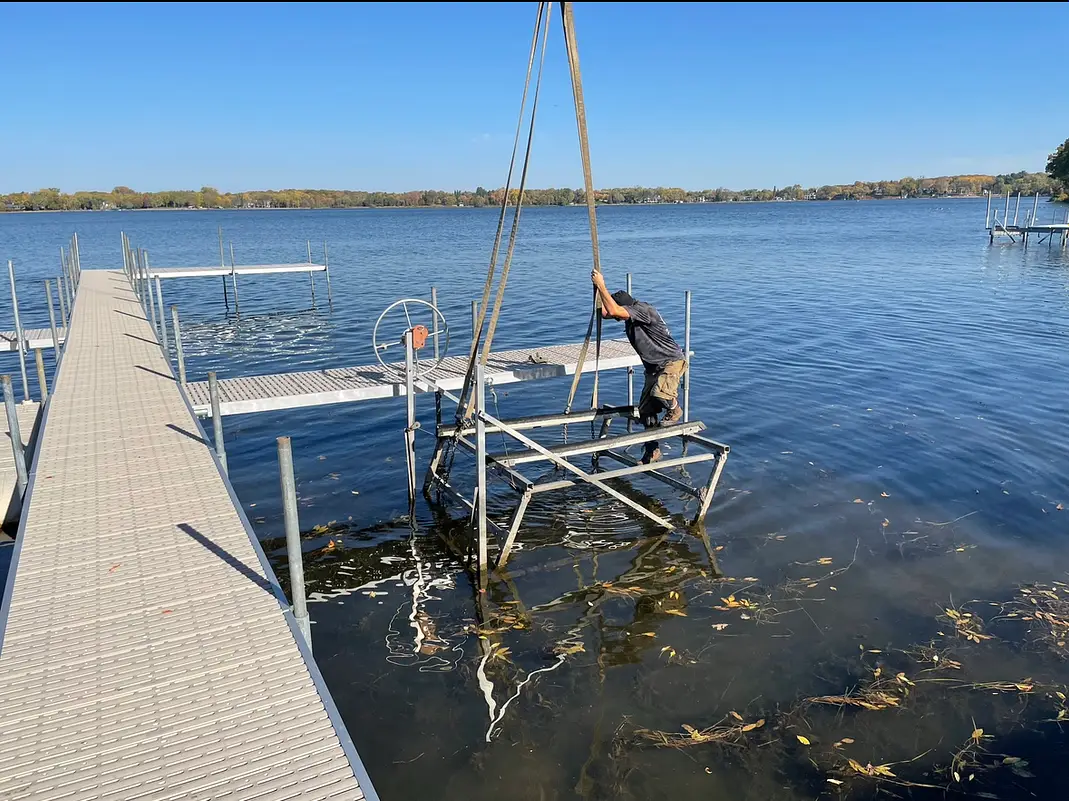
Boat Lift Types: Which Type of Boat Lift is Right for You?
A boat lift is a device designed to secure a boat above the water, providing numerous benefits that enhance the boating experience. It plays a crucial role in the lives of boat owners. You may choose from various boat lift types based on how often you use your freestanding or suspended boat.
Several options exist regarding the different kinds of boat lifts available today. Floating ones support your vessel by floating on water and can quickly lower and raise your boat. Standing lifts keep your craft elevated out of the water when not in use.
This article will look at the different types of boat lifts while discussing their critical features and essential considerations. Keep reading to explore more.
6 Most Common Boat Lift Types
Choosing the right lift is essential for keeping your watercraft safe and secure. With so many options, deciding between the different types can be overwhelming.
So, let’s explore the 6 most typical types of boat lifts to help you make an informed decision.
Bottom Standing Lifts
Bottom-standing lifts are recommended for shallow depths of 3 to 10 feet. They offer excellent protection and versatility at an affordable price. These lifts stand on their legs next to the dock and are attached to the firm and bottom surfaces. Installation is relatively easy, but it’s always best to seek expert help for a seamless process.
While unsuitable for large or heavy vessels, this lift provides reliable support for smaller watercraft.
Piling Mount Lifts
Piling mount boat lifts are a top choice when securely lifting and storing boats. These lifts can be mounted on piers using intense wooden beams called piles that sink into the ground around stationary docks.
Mounted in concrete for stability, pile-mounted lifts offer durability and resistance against tides and waves. Experts highly recommend these lifts for their quality solutions for safely raising and protecting your valuable watercraft.
Floating Lifts
Another option to consider when installing a lift is a floating boat lift. This kind of lift is ideal for fluctuating water levels because it can easily adjust to the rise and fall of the water. A significant advantage of this choice is that it prevents the craft from exerting pressure on the structure, thereby avoiding potential damage.
Floating lifts support boats in metal or plastic chambers. These chambers submerge below the surface to release the boat and submerge while the boat is in use. Upon returning, you position the vessel in these chambers. Then you may activate electric pumps that displace water with air, causing it to float, and raise your craft above water level again.
Shore Mounted Lifts
These lifts are fixed to the shore or dock, providing your vessel with a stable and secure boat lift system. They use motor-driven cables or hydraulic systems to raise and lower the boat out of the water and into it.
They come in different weight capacities to accommodate various sizes of vessels. If you’re looking for a reliable solution that keeps your boat clean and protected, shore-mounted lifts are worth considering.
Hydraulic Lifts
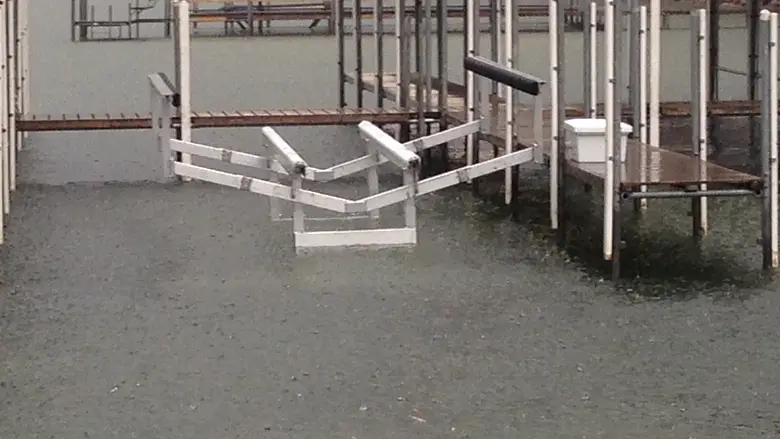
Regarding boat lifts, hydraulic boat lifts are beneficial when there isn’t enough space for a complete ramp or when precise leveling is required due to the dock’s height.
Unlike cable-operated lifts masquerading as hydraulics, genuine hydraulic lifts provide optimal performance. Watercraft owners looking for reliability should choose pure hydraulic systems. They ensure precise positioning and can easily handle applications such as fuel transport unloading and construction zones.
Cable Lifts
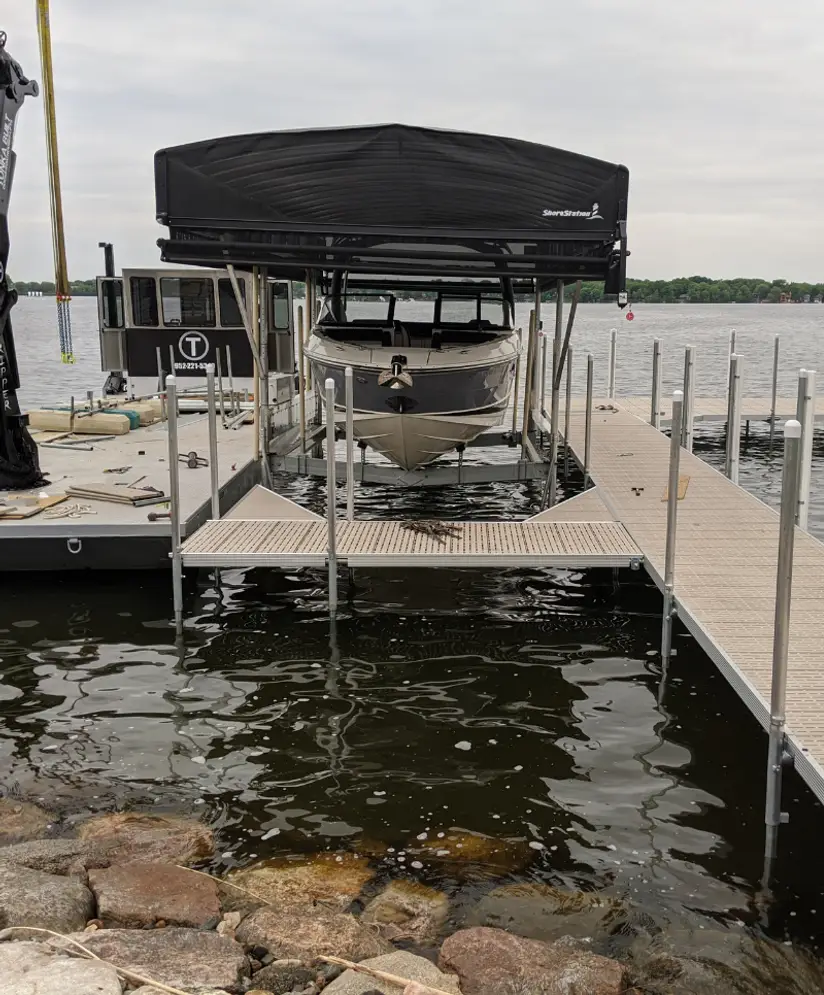
These versatile lifts can be used for various vessels, from PWCs to inboard boats. Made with non-corrosive aluminum/steel components, cable lifts are built to withstand the elements. One advantage is that vertical cable lifts can accommodate fluctuating water levels by adjusting each leg independently. They also come with full-length vinyl bunks for hull support and protection.
With lifting capacities ranging from 800 to 20,000 lbs., a suitable option is available for different vessel sizes. Additional boat lift accessories include canopies, guide-on systems, bow stops, motor stops, and wireless AC and DC operation options.
Factors to Consider When Choosing a Boat Lift
From considering the kind of lift to determining its capacity, there are several factors you should take into account when shopping for a boat lift. Here are some essential things to remember that suit your needs and preferences on Lake Minnetonka.
Electric vs. Manual
There are two main types of boat lifts: electric and manual. Manual lifts are the more affordable option and don’t require electricity. They have a nostalgic charm with their spinner wheel operation.
On the other hand, electric lifts offer convenience but require planning and professional installation by an electrician. This lift requires electric power. Electric charges can be equipped with lights for guidance and solar panels for control. However, manual lifts are a more affordable choice.
Boat Size and Weight
Different types of lifts are available for different sizes and weights of vessels. Ensure your ride can safely accommodate the dimensions of your boat to prevent damage or accidents.
Water Conditions
It’s mammoth to assess the water conditions before selecting a craft lift. Opt for durable materials like aluminum or galvanized steel to prevent corrosion for lifts installed in salt water.
Coating the frame with antifouling paint is also a good idea. Any lift type will do in lakes and ponds with consistent water levels. However, with fluctuating ocean tides, a floating lift is recommended.
Consider whether you want a cradle-style or swing-style lift based on water depth and space availability. Cradle-style lifts secure the hull firmly, while sling-style charges are better suited for shallow waters as they take up less space.
Permits and Rules
Before installing a lift, you must have the necessary permits and follow the applicable rules. This could include obtaining permission from homeowners associations or other residents sharing the dock.
Height restrictions and view obstruction concerns may need to be addressed before installing. It’s essential to research and gather all relevant information before seeking approval for your lift project.
Wind
In areas prone to strong winds, it is crucial to have a boat lift. This will prevent your vessel from colliding with docks or other craft. However, a swing lift may be unsuitable for heavy water traffic. Look for a stable lift that can securely hold your craft in place despite the wind conditions.
The Benefits of Boat Lifts
From keeping your watercraft clean and protected to conveniently raising and lowering it, a lift is a must-have accessory. Let’s discover the numerous benefits of boat lifts for your watercraft.
Protection from rust and algae
Keeping your vessel in the water for long periods makes it vulnerable to rust and algae growth. Corrosion can lead to costly repairs, and removing barnacles and algae is time-consuming.
Using a boat lift that keeps your vessel above water can prevent these issues and save money in the long term.
Protection from scratches and damage
Without a lift, rough waters and tides can cause the boat to collide with the dock, resulting in unsightly scrapes and scuffs. Additionally, debris in the water or winter ice floating around can cause damage.
With a lift keeping your vessel raised above the water’s surface, it will be secure from these potential hazards.
Securing Your Boat
Lifts are great for keeping your vessel securely elevated above the water. Using a boat lift correctly ensures your valuable investment won’t sink or drift away. This peace of mind lets you confidently leave your boat suspended at the dock, knowing it will remain safe and secure in mid-air.
Enhanced Convenience
You can say goodbye to the hassle of transporting your boat back and forth with a boat lift. It offers convenience by eliminating the need for tying and untying dock lines whenever you want to get in or out of the water. A great way to save time!
Avoiding Theft
Boat lifts offer an extra layer of security to protect against theft. They act as a deterrent by making it more difficult for thieves to access and move your boat. With minimal security at private docks, a boat lift would reassure you that your valuable property is harder to target and steal.
Boat Dock Lift Prices
When it comes to boat dock lift prices, it is critical to do your research and understand what you can expect to pay for various types of boat lifts. PWC lifts typically range from $2000-$4000, while small boat lifts fall between $4000-$7000. For mid-sized boats, prices range from $7000-$12,000, and large boat lifts can cost anywhere between $12,000-$20,000.
As a general rule of thumb in today’s market, expect to pay around $2500 per ton of your boat’s dry weight when purchasing a lift. However, lift prices may vary depending on size, dock, and required features.
How Can Tonka Built Help to Choose Boat Lift?
We at Tonka Built are your dock lift experts. We offer Lake Minnetonka boat lift installation, repair, and removal services. When choosing the correct boat lift for your needs, we can help! Our experienced team will guide you through the different types of lifts available and consider factors such as the dimensions and weight of your craft. That’s because we know about boat lifts better than many.
With our expertise and experience in the industry, we ensure that you select a high-quality, durable lift that supports your vessel effectively. Trust Tonka Built for all your dock lift needs!
Conclusion
Choosing the right boat lift type is crucial for safety. Hence, you should do your homework properly before the selection. There are six common types of lifts: floating, standing, hydraulic, pile-mounted, shore-mounted, and cable. Each has unique features and benefits based on individual needs, like water conditions and craft size.
Moreover, boat lifts provide protection against rust, algae damage, and theft while keeping your boat clean. However, their costs depend on lift type, so seek expert advice to make an informed choice when selecting a new boat lift.
Consider factors such as electric or manual operation, permits needed, and wind exposure when deciding the lift type. And hopefully, this article will be more than enough to guide you to making an informed decision.
Leave a Comment
You must be logged in to post a comment.