

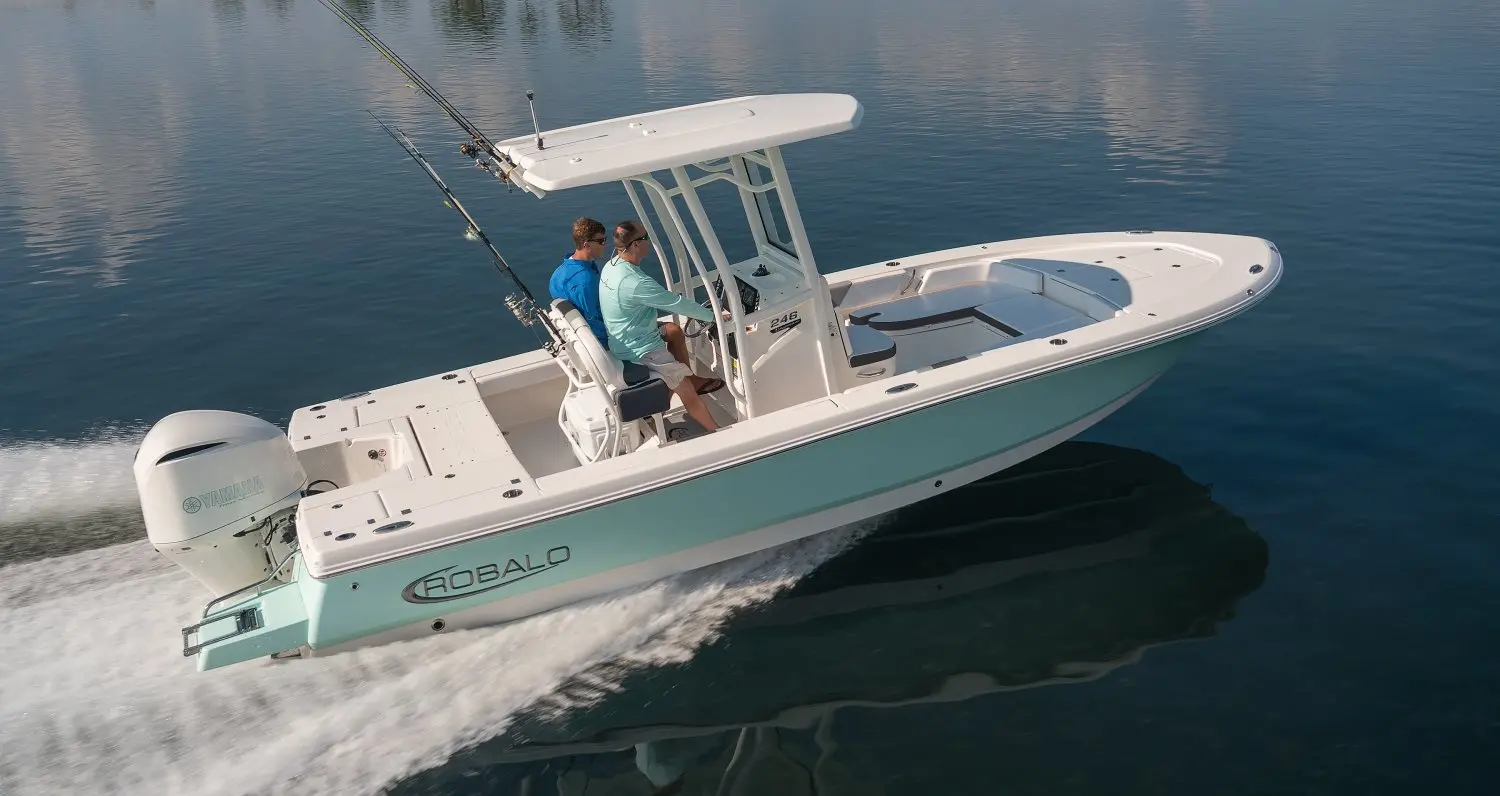
New Boat Owner Checklist and Essential Tips
Owning a boat is an exciting adventure and can bring so much joy into your life. If you are a first time boat owner, then the feeling is only enhanced!
It’s not just about having one of the finest boats out there but also about exploring new horizons and enjoying nature in its purest form. As with any other major purchase, owning a boat requires careful planning and consideration of associated costs, maintenance needs, and safety issues.
We’ve put together a checklist for new (and aspiring) boaters like yourself: covering some essential responsibilities that come along with owning a boat and some more with your help! Whether you’re using it on freshwater or saltwater bodies around Minnetonka or anywhere else within U.S. waters- let’s dive in!
First Time Boat Owner Checklist
First things first, we are going to cruise you through these eight key points for the ultimate first-time boating checklist. If you get the gist of it, it’s going to work well for you!
1. Boat Registration and Documentation
The first item on your checklist as a new boat owner should be ensuring all your registration documents are complete. This is mandatory in almost every state within U.S. waters.
As you invest in buying that perfect vessel, make sure you also keep essential documentation to evidence ownership or liability for any future shortcomings. Proof of boat insurance policies typically includes fuel-spill liability and requirements for boats used in hurricane hurricanes zones.
So keep them handy when establishing contact with marinas or when taking your brand-new tow-trailer combination out!
2. Boat Maintenance and Care
Keeping your new boat in top-notch condition is essential, as it adds to its lifespan and keeps you worry-free on water bodies! Developing a monthly or weekly maintenance plan could be ideal based on the sea/bay location.
Learn from online/on-site resources how to safely operate your vessel and perform basic tasks such as changing oil and using fishing gear storage options carefully with smart use of dry-stack valet service during the winter. Various states require that your fire extinguishers be up to date, regardless of length.
3. Boat Handling and Operation
After purchasing your new vessel, learn how to operate it safely and effectively by enrolling in a boater safety course or program. Operating a boat requires knowledge of fueling procedures, speed restrictions within different regions’ waterways, and communication measures with other boats.
Furthermore, establish good habits when cruising. Always wear life jackets (as required based on where you are), and regularly inspect and maintain safety equipment.
Make sure that before hitting patches of tricky waters around Minnetonka, you practice with experienced friends or family members who’ve got familiarity with all kinds of water bodies!
4. Boat Storage and Security
 Now that you’ve got your hands on a beautiful boat, it’s also crucial to give thought to where and how you’ll keep it safe from weather elements or vandals.
Storage options range from public storage facilities with indoor sheds supporting dry stack valet service to outdoor storing areas (at local marinas), trailering, or at your home (if feasible).
You can often park along the roadside after road-tripping. Many U.S. communities permit boats on trailers parked beside residential driveways except in commercial zones as per their zoning laws.
Most importantly, include some type of security mechanism. These could be physical locks, guards, alarms, or in-transit damage insurance policies when you store your boat in unknown locations!
5. Boating Safety and Regulations
Ensure all necessary safety equipment is on board and in good condition. There are PFDs (life jackets), flares (visual distress signals), and fire extinguishers that have recent certifications.
To operate safely within U.S. waters, there are plenty of other regulations that new boaters need to keep in mind. Ensure you have local or state permits while parking at a nearby marina.
6. Enhancing Your Boating Experience
Enhance your boating experience by investing in safety equipment and taking a safety course. Life jackets are essential, whether you are an experienced boater or new to being on the water, and having fire extinguishers on board is vital.
Also, be sure to fuel with gasoline containing no more than 10% ethanol (E10). Using fuels with higher amounts of ethanol can damage your engine over time. Lastly, consider joining an on-water towing service, which will come in handy in case of unexpected mishaps!
7. Maximizing the Value of Boat Ownership
As a new boat owner, investing in maintaining your vessel and all its components is paramount to ensuring durability. Cleaning after each day on the water could go a long way toward extending your boat’s life span!
It’s also recommended that you develop an understanding of how to operate your vessel safely so that it can be maintained efficiently going forward. This includes learning techniques like different types of knots or how to back down the on-trailer at the ramp.
8. Safety and Environmental Responsibility
As a responsible new boater, it’s imperative that you’re aware of the environmental concerns associated with operating your vessel in open waters. Be mindful of discarding waste materials responsibly, and always consider using eco-friendly supplies like cleaners to prevent pollutants from entering our waters.
It’s also important to educate yourself regularly on current eco-safety issues or regulations. That will help you make informed decisions while enjoying your time on the waterways.
Do I need a Boat Lift as a New Boat Owner?
Many first-time boat owners may question the need for a boat lift, but investing in one can be a wise decision. Boat lifts keep your vessel safe from harsh weather conditions and harmful elements such as marine growth, ultimately adding more years to its life span and reducing maintenance costs.
Dry-stack valet service is an effective solution for new boaters who face storage issues or have limited space choices. Be sure to check in with your marina if you are unsure of whether they permit lifts before selecting suitable equipment.
How to Keep Your Boat Maintained and Looking Like New?
 As a boat owner, it’s important to not only enjoy the experience of cruising through the water but also keep your boat looking like new. Here are some tips on maintaining your vessel:
Regular cleaning: Keeping up with regular washings will help prevent grime buildup and staining.
Waxing: Applying wax at least twice a year will protect your boat from environmental damage.
Engine care: Make sure to follow all manufacturer guidelines for maintenance schedules and take care of any issues immediately.
Check fluid levels often: Regularly checking oil, coolant, and other fluid levels can save you from engine failure down the road.
Some interesting facts for you: Did you know that 71% of boaters haul their boats out in the winter (according to the National Marine Manufacturers Association)? Also, improper storage during the off-season causes more than $500 million in damages each year across U.S. marinas (reported by BoatUS).
Implementing these simple steps into your routine maintenance plan can help keep things moving smoothly with fewer expenses or accidents.
Where to Buy Boat Accessories?
Tonka Built is a trusted manufacturer of high-quality boat docks, boat houses, and boat lifts around Minnetonka. Whether you’re a first-time boater or an experienced mariner, our accessories ensure that your vessel stays safe and secure while in storage.
Call us today to learn more about the various options we offer for keeping your beloved watercraft protected throughout the year. Don’t let another day go by without investing in top-of-the-line equipment from Tonka Built!
Conclusion
As you reflect on your journey as a first-time boat owner, remember that there is always more to learn and improvements to be made. Whether it’s through courses or just experience out on the water, you can continue to develop your boating skills.
Most importantly, don’t forget to embrace the lifestyle and enjoy every moment spent on the water with loved ones. With this checklist in hand and a commitment toward safety and maintenance, you are well-equipped to cruise right into an exciting new chapter of boating!
Leave a Comment
You must be logged in to post a comment.