

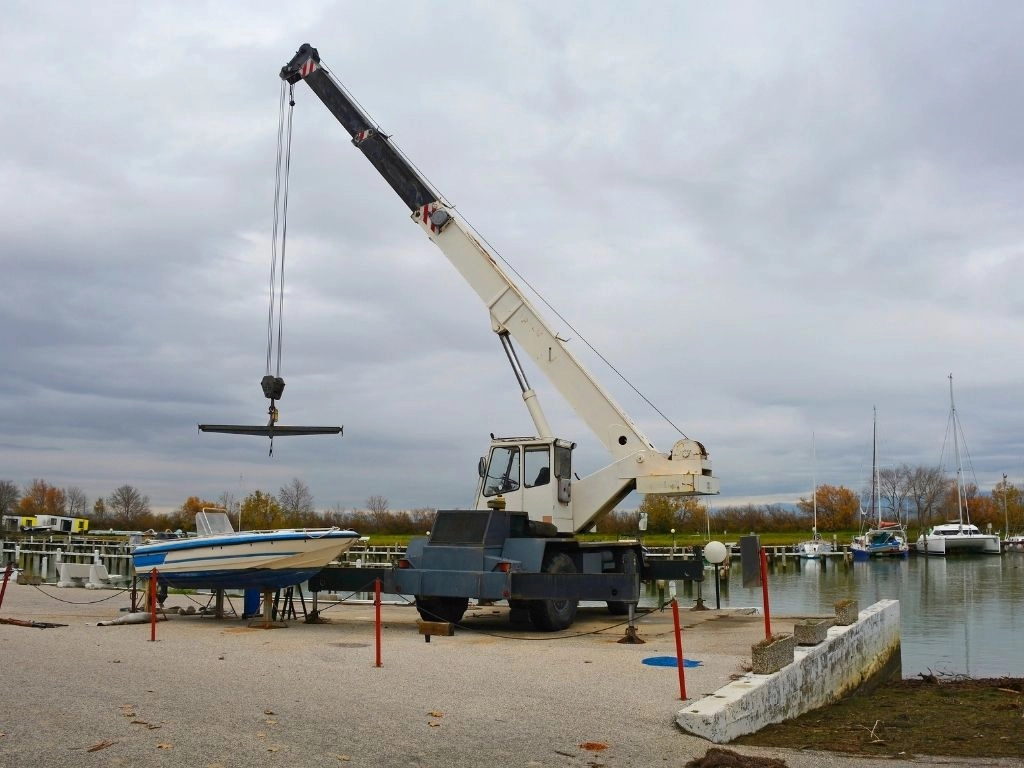
Comprehensive Guide for Installing a Boat Lift
Owning a boat is a lifestyle investment for residents on the lake, both at Lake Minnetonka and elsewhere. But in order to safeguard that investment and facilitate launching and docking, you need a boat lift that is placed correctly, appropriate for your beach, and long-lasting. This book answers all of your questions, whether you’re a young family renovating your waterfront house or a retiree caring for a legacy property.
Why Install a Boat Lift?
A boat lift is a practical, long-term solution if you enjoy boating, fishing, or entertaining by the lake. This is the reason:
- Protects Your Boat: To avoid hull damage, corrosion, and algae, keep your boat above the waterline.
- Enhances Accessibility: Makes docking and launching easier.
- Lowers Maintenance: Avoids expensive problems brought on by ongoing exposure to water.
- Increases Property Value: Adds a useful, luxurious amenity to your seashore.
Step 1: Choose the Right Type of Boat Lift
| Boat Lift Type | Best For | Water Depth | Pros |
| Freestanding Lift | Solid, sandy or rocky lake bottoms | 2–10 feet | Easy to remove; no permanent alterations |
| Floating Lift | Deep or fluctuating water levels | 4+ feet | Adjusts to water changes; ideal for pontoons |
| Suspended/Cradle Lift | Permanent docks with deep water access | 8+ feet | High durability; less shoreline interference |
Tonkabuilt Tip: Our team assesses your lakebed and water depth to recommend the best option for long-term durability.

Step 2: Check local regulations and permits:
There are stringent regulations for beachfront construction in Lake Minnetonka and the adjacent areas. You’ll have to comprehend:
- Zoning regulations
- Environmental Protection Regulations
- Costs and Schedules for Permits
You don’t have to manage this alone when you work with a contractor like Tonka Built; we take care of the paperwork so you can concentrate on enjoying your lake life.
Step 3: Prepare Your Site:
The following steps are part of site preparation:
- Measure your boat’s dimensions to make sure the lift can hold its weight, length, and hull form.
- Eliminate any rocks, plants, or other obstacles that can make installation more difficult by clearing the shoreline.
- The area should be leveled, especially for freestanding lifts over uneven lake bottoms.
Step 4: Assemble Tools and Materials
It takes time, effort, and the appropriate equipment to install a boat lift yourself:
Crucial Equipment:
- Torque instruments and socket wrenches
- Water level
- A cordless drill and bit
- Safety goggles and gloves
- Waders or other waterproof equipment
Optional equipment includes:
- Lifting blocks or supports
- A jack or winch for heavy lifts
- Waterproof bolt sealant
Tonka Built provides full-service installation with premium-grade materials designed for Minnesota’s particular environment if that seems overwhelming.
Step 5: Install the Lift:
A typical freestanding lift installation looks like this, though the procedures can change based on the type of lift:
- Frame Assembly: Start in shallow water or on land. Pay great attention to the manufacturer’s instructions.
- Leg Adjustment: Adjust the legs to the slope and depth of your water.
- Winch Installation: Set up electric or manual winch systems and make sure they run well.
- Bunk or Cradle Setup: To ensure uniform weight distribution, align the bunks with the hull of your boat.
- Final Adjustment: Verify cable tension, alignment, and level positioning.
Safety First: Never install a lift while the boat is on it. Test without a load at all times.
Step 6: Electrical Considerations (for Powered Lifts):
If your boat lift has a motor:
- Make sure the outlet is protected by a GFCI to avoid electric shock.
- To install any wiring along the shore or on the dock, hire a certified electrician.
- Purchase a solar charger in the event that shore power is unavailable.
Lifts that run on electricity are effective, but installation requires careful attention to safety regulations.
Step 7: Post-Installation Checklist:
Make the following checks before putting your boat on the lift:
- The lift is level in the water
- All bolts and fasteners are tight
- The winch and cables work smoothly
- The cradle fits your boat’s hull correctly
- Any electrical components are tested and protected by GFCI
Bonus: Seasonal Maintenance Tips:
Seasons may be harsh on shoreline infrastructure in Minnesota. Maintain the smooth operation of your elevator by adopting these habits:
- Winterization or Fall Removal: Prevents ice damage to the elevator.
- Spring Inspection: Verify the integrity of the frame, cable tension, and rust.
- Monthly Use Check: Particularly following significant storms or prolonged boat use.
Should You Hire a Professional?
For skilled boaters and homeowners with mechanical knowledge, do-it-yourself projects are an alternative. The stakes are high, though, as poor installation may result in expensive damage or safety concerns.
Why Opt for Tonka Built?
- Tailored Design to Your Shoreline
- Premium-grade stainless and aluminum materials
- Full-service dock and lift installation; permit handling and code compliance;
- Seasonal lift removal and storage
Conclusion: Your Lakefront, Elevated:
Installing a boat lift is a commitment to safety, property value, and an improved boating experience, and it goes beyond simple convenience. With Tonka Built’s professional assistance, your waterfront investment turns into a smooth, worry-free improvement that can endure for many generations.
Leave a Comment
You must be logged in to post a comment.