

Guide to Boat Lift Weight Capacity
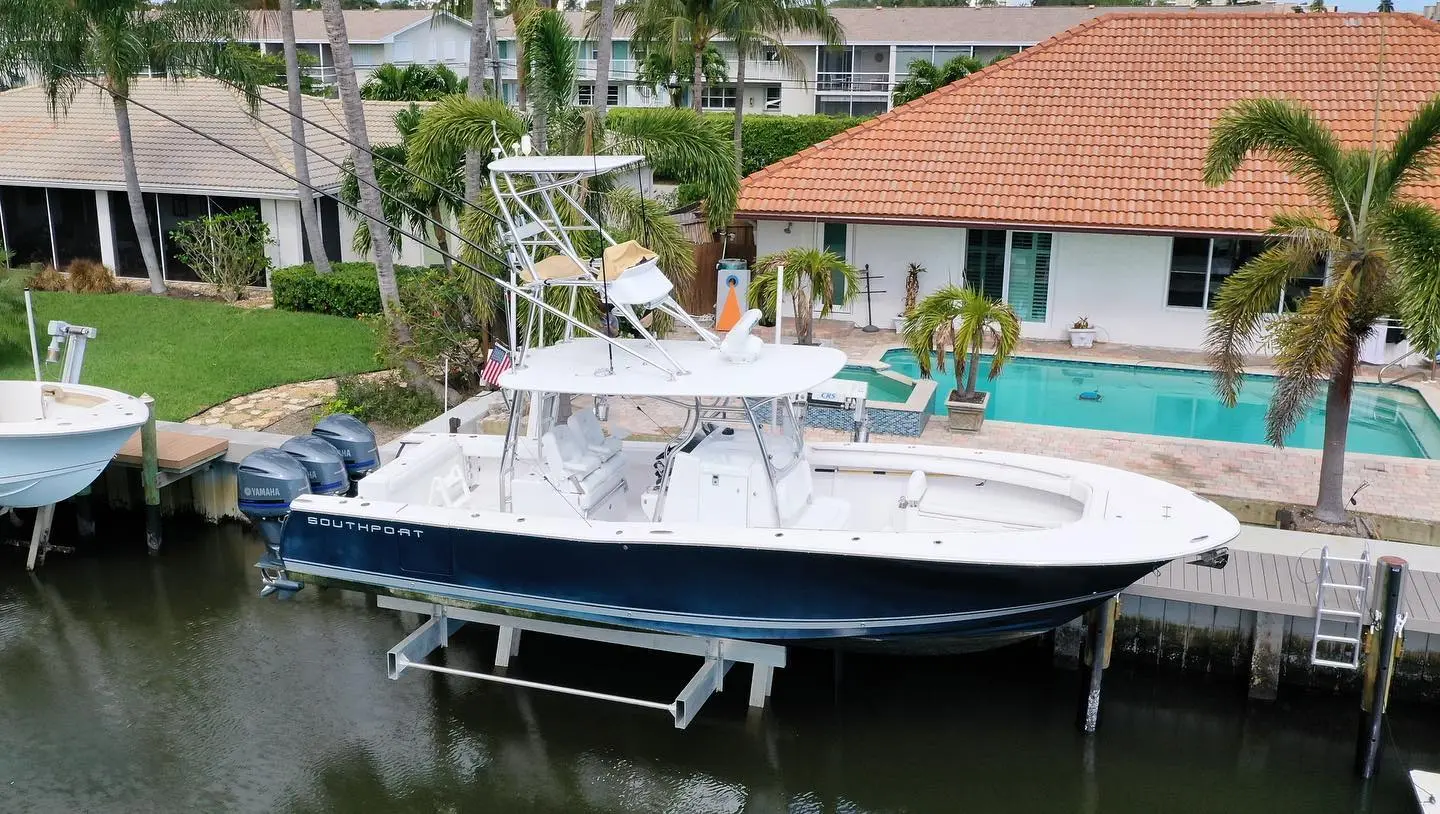
Owning a boat is awesome, but let’s face it, you’ll eventually need to lift your boat out of the water for maintenance, storage, or transportation. To make sure that you choose the right boat lift for your vessel, it is really important to understand its weight capacity, which determines how much weight the lift can hold.
In fact, failing to account for boat lift capacity can damage your watercraft and even put lives at risk. According to data from the US Coast Guard Boating Safety Division, overloading is one of the main causes of boating accidents resulting in injury or death.
So if you’re a Minnetonka waterfront property owner looking into installing a new boat lift or upgrading an existing one, read on! We’ve got everything you need to know about determining and maximizing your lift’s capacity while ensuring everyone stays safe on board (or rather: off-board!).
What Is Boat Lift Capacity?
Boat lift capacity refers to the weight that a specific boat lift can handle. That includes the total weight of the boat plus anything added, like coolers and equipment. The capacity of a boat lift depends on factors such as beam width, water levels, and the type of boat lift.
To determine the right boat lift for your needs, you’ll need to consider both dry and wet weights. Remember that even just fuel in your tanks will add extra weight!
Key Factors Affecting Boat Lift Capacity
Your plan to install a new boat lift or upgrade an existing one can be successful – the key is to understand the capacity of your boat lifts. Let’s take a look at some important factors affecting boat lift capacity.
Boat Weight
Boat weight is a major factor affecting boat lift capacity. You have a few things to consider – the boat’s total weight, its dry and wet weights, along with any extra load such as fuel, water tanks, coolers, passengers, etc.
The maximum weight capacity of a lift indicates the overall limit for hauling your vessel safely out of the water without putting too much stress on it. Make sure you’re using manufacturer specifications to determine the appropriate size lift for your vessel’s weight and hull beam measurements.
Location Considerations
The location should be at the forefront of your thoughts when determining the lift capacity needed for your boat. Waterfront conditions like the tide, water levels, and waves should all be taken into account to ensure a safe and stable installation of the lift on pilings or an existing dock.
Different types of lifts have specific weight-bearing capabilities that need to match up with your specific waterfront location type. Be sure to take into consideration any freshwater vs. saltwater effects and choose a dependable motor drive system. That’ll avoid expensive repairs down the line.
Materials and Construction
The materials and construction quality of a boat lift can also significantly impact its capacity. Different types of boat lifts, including cradles, bunks, and elevators, use various materials such as aluminum or steel to support the vessel’s weight.
The lift’s build quality affects its durability, while the type of drive system used influences how much weight it can comfortably manage. Electrical or hydraulic drive systems are more dependable than manual winch mechanisms for handling heavier boats with ease.
Always consult your manufacturer for their latest recommended specifications on material and installation techniques that will maintain safety over time!

How to Determine Boat Lift Capacity for Your Vessel
Getting your boat in and out of the water can be a real hassle, but installing a boat lift might just be the solution you’re looking for. Wondering what capacity, size, and weight will work best for your vessel? Here’s what you need to know when determining the perfect boat lift capacity to suit your needs.
Calculating Dry Weight
Get a calculator and figure out the dry weight of your boat to determine its appropriate lift capacity. This measurement includes everything onboard except for any fuel, water tanks, or additional passengers.
The specification sheet from your boat’s manufacturer can help you find the dry weight of your vessel accurately and quickly. Knowing this information will also provide insight into choosing a lift type that suits your dock or waterfront area while providing easy maintenance and warranty coverage as needed.
Accounting for Wet Weight and Other Gear
When determining the perfect boat lift capacity, it’s important to account for your boat’s wet weight and any additional gear that may induce extra weight. This can include fuel, water tanks, or even a cooler full of food and drinks.
To ensure safe lifting, you’ll want to choose a lift with enough capacity so that even when fully loaded with gear and fuel, there is still room within the lift’s maximum weight rating.
Incorporating Safety Margin
It’s essential to incorporate a safety margin of at least 20% above your vessel’s total weight. The added margin will help put less stress on the lift and prevent any accidents or damage caused by exceeding its maximum weight limit.
You must also consider factors like water levels and drive system requirements when purchasing or installing a boat lift. Have confidence in buying dependable equipment that comes with an appropriate warranty.
Debunking Common Myths about Boat Lift Capacity
As a boat or dock owner, you may often wonder about many issues related to the capacity of your lift. Then there are a few myths around that should confuse you to some extent! Let’s debunk some of them to make you free of stress!
Myth 1: Size Does Not Matter!
A common mistake people make when choosing a boat lift is thinking that size doesn’t matter. But trust me, it certainly does! If you’re planning to get a larger boat and already have an existing lift, you need to be cautious because the new boat’s size and weight might exceed your current lift capacity.
In fact, an undersized lift can put stress on both your watercraft and dock structure – leading to costly damage down the line. Always ensure you determine the capacity of your lift and choose one that exceeds your total capacity needs.
Myth 2: All Pounds Are Created Equal
Another common myth surrounding boat lift capacity is that all pounds are created equal. However, the weight of your boat can vary significantly depending on factors like fuel levels, capacity for passengers and gear, and other variables.
For instance, a 24-foot ski boat with a dry weight of 4,000 pounds may weigh closer to 5-6 thousand pounds once you factor in fuel and equipment.
Make sure you understand these variations when specifying your lift’s load-bearing specs. Otherwise, an improperly sized or overloaded lift could cause damage to both your watercraft and the dock structure.
Myth 3: Lifts Are “One Size Fits All”
Don’t fall for the myth that lifts are one-size-fits-all. Choosing the right boat lift is essential to properly supporting your watercraft and ensuring easy maintenance. From elevator lifts to cradles and bunk styles – each type of boat lift is engineered to handle specific weight capacities, hull designs, and motor requirements. You’ll want to make sure you’re using manufacturer specifications as well as taking full advantage of their warranty by choosing the right type.
Factors to Consider When Choosing a Boat Lift
Being a boat owner, you know that properly maintaining your watercraft is vital, and a boat lift can help with that. But how do you pick the right one? Never fear; we’ll walk you through determining the capacity of your lift so you can find what works best for your specific vessel.
Available Boat Lift Capacities and Types
Boat lifts come in a variety of sizes and types to fit different watercraft. Most boat lift systems have weight capacities starting at around 1,500 pounds and ranging up to 100,000 pounds or more for large commercial boats.
Available boat lift types include elevator lifts, floating docks, and piling-mounted options that raise your vessel out of the water while docking.
The size and type of your boat will help determine what capacity you need for safe lifting without putting stress on the system’s components. Knowing the limits of your equipment is crucial; if you exceed them by even a little bit, it could put everything at risk!
Warranty Coverage and Options
Look for the type of warranty coverage and options that come with purchasing your boat lift. Check out the manufacturer’s specifications so you know exactly what is covered under their system warranty.
It’s easy to get lost in all the choices available on the market today, but a dependable company will offer an easy maintenance and repair agreement. You may also enjoy a suitable warranty program that includes parts or drive systems along with some provisions on warranties.
It’s always good to err on the side of caution; research before committing!
Remote Control and Motor Specifications
Remote control and motor specifications hold great priority! A good motor should be dependable, have easy maintenance, and include a warranty.
For remote controls, make sure you’re comfortable with the drive system that comes equipped with your lift of choice as well as the type of controller used to operate it. Some systems even come with smartphone apps for more convenience!
Some Common Questions People Asked About Boat Lifts
 Installing a boat lift as an investment would raise many questions beforehand. That’s because you are going to be spending a hefty chunk! As a boat owner and/or a dock owner, you must know the right answers to those questions.
1. Which boat lift types should I take into consideration?
When it comes to boat lifts, you’ll want to consider several types including-
-Elevator lifts, which provide efficient vertical lifting for larger boats;
-Bunk-style lifts that cradle your watercraft;
-Cantilevered lifts that use pivoting arms to lift the vessel out of the water.
Each has its own benefits and drawbacks – be sure to choose the one engineered for your craft’s size and weight capacity.
2. What warranties are available?
Most manufacturers offer warranties that cover defects in materials or workmanship for a certain period of time. Some may also have extended warranty options for additional protection.
Make sure to carefully review the manufacturer’s specifications and fully understand what is covered under each warranty option before making your final decision. Choosing a lift with a solid warranty ensures easy maintenance and dependable use for years to come!
3. Is it possible to enhance the lift’s capacity?
Yes, it is possible to enhance the capacity of a boat lift. One way is to add a larger motor or pulley system for increased lifting power. Another option is to upgrade the cables and bunks or adjust their positioning for better weight distribution.
However, it’s important to keep in mind that there are limits and safety margins that must be considered when making modifications. Always refer to your manufacturer’s specifications and consult with an expert before attempting any changes on your own!
4. Are remote controls offered?
Many boat lifts on the market today feature remote control access for easy operation. This means you’ll be able to raise or lower your watercraft with just a few clicks of a button from inside your boat, car, or dock. Make sure you check the specifications from the manufacturer for compatibility.
Why Should You Get a Boat Lift From Tonka Built?
When it comes to boat lifts, Tonka Built is the name you can trust. Our boat lift technology is designed and developed by industry experts, ensuring maximum stability and durability for your watercraft. With our over-engineered dock lift technology, safety is never compromised.
At Tonka Built, we offer boat lifts that can support various weight capacities. This means that whether you have a small or large boat, we’ve got you covered! Plus, when you purchase from us in Minnetonka, installation services come included, and our comprehensive warranty provides added peace of mind.
We pride ourselves on being one of the only manufacturers offering welded construction, which makes installation faster while enhancing overall stability and longevity!
Choose Tonka Built – where quality meets affordability! Contact us today to learn more about our range of products to make your day at sea even better!
Conclusion
A boat lift’s weight capacity is not something to take lightly. Not considering this aspect can lead to severe damage and safety hazards for your precious watercraft.
Fortunately, taking into account essential factors like weight, construction materials, and location considerations while ensuring safe margins are kept in mind offers the clearest solution when determining what lift will work best for you.
Adhering to specialist input on available lifting capacities/taking warranty coverage, or engine specifications into account before making any final decisions helps you choose the right boat lift for your needs with confidence!
So what are you waiting for? Keep everything in mind and go for your best choice!
Leave a Comment
You must be logged in to post a comment.