


Ultimate Guide to Boat Lift Safety Tips and Practices
Boat ownership is a joy, and having a boat lift is a wise move to protect your investment. Not only does it shield your vessel from water’s wear and storms, but it also simplifies cruising. Yet, a key question lingers; do boat lifts need maintenance too? Absolutely. Neglecting boat lift safety tips can lead to costly damage, hitting both your boat and the lift.
That’s why this ultimate guide is essential. It’s packed with practical advice to help you maintain your lift, keeping it and your boat safe and sound. Let’s dive into the basics of boat lift care and make the most of your boating experience.
Boat Lift Safety Tips for Maintenance
Ensuring your boat lift’s longevity and safety is crucial to a good day on the water. Regular maintenance, correct operation, and knowing how to properly use your lift are all part of the package for a responsible boat owner. Here’s how you can maintain and operate a boat lift with the safety of both your boat and yourself in mind.
Regularly Apply Oil
Lubrication is key to the upkeep of any machine, and your boat lift is no different. Regularly oil the cables to keep them moving smoothly and to prevent rust. Avoid oil with grease; it traps moisture, leading to corrosion. On the other hand, squeaky pulleys and gears do ask for a dab of grease. As a lubricant, grease helps keep the parts from rubbing against each other and wearing down. This can keep the equipment from breaking and make it last longer. Always use the right product for the right part of your lift.
Pay Attention to Storage
When not in use, store your lift correctly. Pull it out of the lake, if possible. A wheel kit can simplify this. For power lifts, remove the battery and keep it in a dry place. Make sure the canopy is dry before folding it away. Don’t cover the motor unless it’s raining or snowing to prevent moisture build-up.
Maintain Weight Capacity
Overloading your lift is a big no-no. Always stick to the weight limits set by the manufacturer. It will prevent strain on the lift cables. It’s equally important to balance the boat’s weight when on the lift. Adjust the cables if you spot alignment issues. Never tie extra weight to your boat while lifting. Putting too much strain on your lift could result in damage or injury.
Inspect the Cables
Regular checks on your cables are vital. Look for wear and tear. Replace galvanized cables every two years, even if they look okay. Don’t let stainless steel ones go unchecked, either. And if you see severe corrosion, get those cables changed right away. Inspection by a pro can be a smart move if you’re unsure.
Rinse the Cables
Saltwater can be tough on your lift. Salt crystals and algae may attack the cables. Hose them down with fresh water after every use. Keep the sea’s destructive elements at bay and help prevent rust and corrosion. Always lower the cradle back into the water when returning from your boating adventure to wash it off.
Exercise Care When Using Lift Motors
Lift motors make raising your boat a breeze. But handle them with care. Abuse can lead to snapped cables and damaged frames. If a frame and lift rack jam, disasters like boat damage or worse can occur. Make sure the lift motor stops before the rack meets the frame. Prevent any mishaps by using your lift motor cautiously.
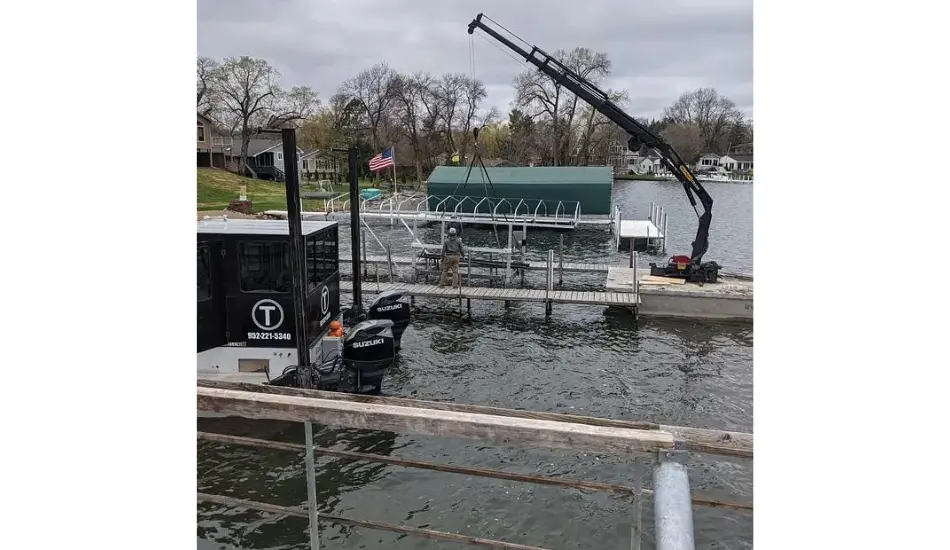
How to Safely Use a Boat Lift
For boat enthusiasts, getting good at lift operations is as essential as navigation skills. The method may seem tricky, but it’s quite straightforward. Here, we’ll break it down into three fundamental stages. Regardless of the lift model you have, ensuring a safe and efficient launch is a priority.
Ensure the Boat Is Empty
Firstly, confirm your boat is empty. Lifts have specific weight capacities, mostly matched to the boat’s heft. Adding extra weight strains the lift and wears out cables faster. Keep gear and passengers off until the boat floats free. It will avoid unnecessary wear and enhance safety.
Lower the Lift and Back Out
With an empty boat secured, it’s time to lower it. Flip a switch or turn a crank, depending on your lift type. Lower gently and avoid going too far. That’s because going too far can cause cable issues when raised later. With the boat floating, everyone boards. Then, slowly reverse out of the lift. Navigate carefully to prevent any collisions or damage.
Park and Raise the Lift
Upon returning, ease the boat above the lift’s cradle. Ensure the boat is centered, with less hanging at the back. Power down and unload before hoisting the lift. Lift your boat high, clear of any waves that might rock it. It will preserve your lift during downtime and prepare it for the next outing.
How to Safely Lower the Boat Into the Water
Launching your boat into the water safely is critical. It’s a process that often requires two individuals:
- One to manage the lift
- The other is to handle the boat
Yet, with advances in technology, remote-controlled lifts now enable a single person to perform this task. Regardless of your lift type, following a safe procedure is essential.
- Manual Boat Lifts: Begin with a manual lift by turning the wheel or lever. It lowers your boat slowly. Keep a steady pace to ensure a smooth descent. Always double-check that the path is clear. No obstacles should be in the way as you lower your boat.
- Electric Boat Lifts: Electric lifts need electrical power at the dock. They work like manual lifts but are motorized. To safely lower your boat, activate the motor. It’ll unwind the cables, gently setting your boat into the water. Direct power access is a must for operation.
- Hydraulic Boat Lifts: For a quieter option, consider hydraulic lifts. They need no cables or pulleys. Simply flip a switch to control the descent. Many hydraulic systems come with a remote. This remote makes it easier to lower your boat. Just ensure the remote is functioning before starting.
- Floating Boat Lifts: Floating lifts match up with floating docks. These lifts harness air pumps to lower boats. Use electricity or solar power to remove air. This action gently submerges the boat. Always monitor the lift’s batteries or power source to avoid interruptions.
Regardless of the lift type you use, stay alert. Watch every movement as the boat descends. Communicate with your helper if it’s a two-person job. Or, if you’re alone, take extra precautions. Understand your lift’s operation before you start. Knowing how to operate your boat lift ensures a smooth transition to the water. Always move the boat slowly and steadily for a safe launch every time.
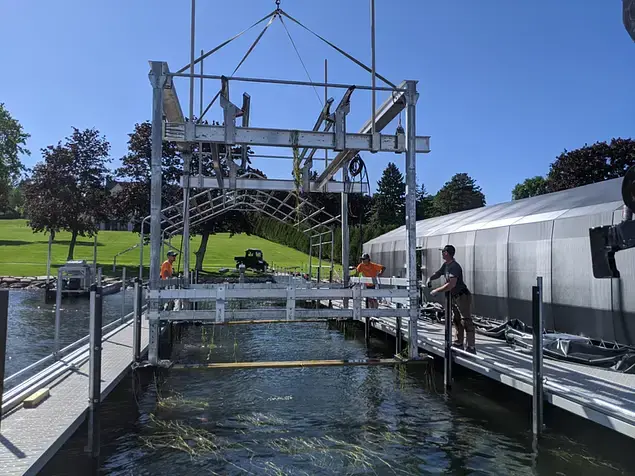
Safety Tips for the Boat Lift Parking Process
Docking your vessel after a day on the waves requires finesse and attention. The effort spent mastering the boat lift parking process is an investment in your boat’s longevity. Safely securing your boat on the lift ensures it stays in top-notch condition for your next journey. Here are a few guidelines to make parking your boat second nature:
- Control Your Approach Speed: When heading to the dock, keep your boat’s speed in check. Too fast, you overshoot; too slow, and you might veer off. The trick is in the throttle, gentle touches keep your speed just right.
- Lean on Parking Guides: Parking guides aren’t just dock decor; they’re your pathfinders. Enter the cradle, motor down, and glide into place. These guides simplify alignment, facilitating a smooth park every time.
- Acknowledge the Elements: Waves, wind, current, they can be tricky. While nearing the lift, they may nudge you off course. Keep this in mind, and don’t reduce your speed prematurely. Stay vigilant for them, and park with ease.
Final Thoughts
Safety tips for boat lifts should not be ignored. The focus should be on maintaining, lowering, and parking your boat securely. Key practices include regular oil applications, mindful storage, and careful weight management. Inspection of cables and cautious use of lift motors are also critical. These practices ensure both boats and lifts remain in prime condition.
At Tonka Built, we stand ready to support our customers in maintaining their boat lifts safely. Our expertise ensures everyone maximizes the use and longevity of their equipment. Through our services, we provide the necessary guidance and assistance for uninterrupted and secure boat lift operations. Trust in our commitment to safety and quality for an uncompromised boating experience.
Leave a Comment
You must be logged in to post a comment.