


8 Key Steps for Shoreline Grading Before Dock Installation
The goal of shoreline grading is to reduce erosion caused by striking waves on the bank toe. A gradually raised slope allows for wave “run-up” and immoderation of wave energy of ordinary high water levels. A graded shoreline allows a better foundation for residential dock installation. In this article, we will discuss 8 important steps for shoreline grading before dock installation.
Understanding the Shoreline Grading Process Before Installing a Dock
Shoreline grading is a human-influenced process. A cycle of transformation. The cycle of coastal development for making a flat and straight coastline. We have listed the vital steps for shoreline grading before dock installation,
1. Assessing the Shoreline
Changes to shorelines over time are inescapable as the nature of coastlines is dynamic and complex. However, climate factors such as rising sea levels and more frequent storms will greatly increase the rate and scale of coastal erosion. At the same time, the societal pressures placed on the coast are set to have significant impacts on coastal livelihoods. In order to manage the risk of coastal erosion effectively and to protect coastal communities and infrastructure, it is necessary to collect baseline information on shoreline changes.
2. Planning and Permits
When planning shoreline structures, first, be sure to follow the local shoreline management act. A property survey will help you maintain the shoreline permits that meet the requirements for a proper shoreline environment. Local property guidelines and surveying experts can help you determine your rights on the land beneath the water attached to your property.
Typically, annual permits are not required for single-family residential properties. However, there are some situations where a permit or license is required, as listed below:
- License to store five or more watercraft under certain circumstances allowed by code.
- Permit for installation of permanent docks, installed using machine-driven pilings.
- Permit for dock extension during declared Low Water Conditions
- Nonconforming use permit for docks/moorings in existence since 05/03/1978

3. Clearing Vegetation and Debris
Proper construction can’t be done in an area invaded by derbies, unwanted plants, and tall grasses. Clearing the existing shoreline vegetation gives a proper idea of the unevenness of the surface you plan to work on. However, shoreline vegetation conservation should also be considered in this process. The best management practices strictly forbid any shoreline restoration that harms fish, wildlife, or native vegetation.
When projects are situated in smaller areas, you may use manual clearing methods. Your cleaning team may use chainsaws, axes, and smaller machinery to remove vegetation and obstacles. This method is fruitful as it has minimal impacts on the surrounding environment. This technique is ideal for projects where the preservation of certain species of plants is desired.
In contrast, in large-scale projects that cover extensive areas, mechanical clearing is important to perform the cleaning time efficiently. Machinery like bulldozers, backhoes, and excavators swiftly clear large tracts of land of trees, rocks, and debris. At the same time, these large equipment initialize the construction process.
4. Soil Preparation
Soil preparation is one of the most important steps of shoreline development. Soil properties decide the foundation concrete mix. Soil test reports of shoreline land suggest whether foundation techniques like constructing footings, slabs, or more specialized solutions like pilings are necessary.
5. Grading Techniques
Traditional shoreline stabilization has been centered on construction approaches such as metal grading, vertical concrete, wood break-walls, rip rap, and gabions. Recent research has found that creating a physical barrier that hardens vertical or near-vertical structures reflects wave energy rather than absorbing it.
When rip rap is used, the impact of turbulence and erosion is not as destructive. That’s because it absorbs some of the energy from moving water. The drawback of rip rap is that it creates a barrier to many native species.
6. Erosion Control Measures
Before adopting any measures regarding erosion control in shoreline areas, discuss with your local officials to see if they have any plans or initials for reducing erosion in your area. Natural coastal habitats can slow waves, reduce wave height, and reduce shoreline erosion. Healthy dunes and wetlands provide a safety barrier between the coastal waves and your property, creating a first line of defense.
Again, the roots of plants stabilize the earth. Restoring coastal habitats like mangroves and dunes builds healthy ecosystems by supporting wild species. Replenishing the sand on the shoreline is another step in erosion control. However, it is a temporary solution that will not reduce the risk of erosion permanently. Ensure that your deck is properly anchored, especially if it’s on sandy earth.
7. Final Inspection
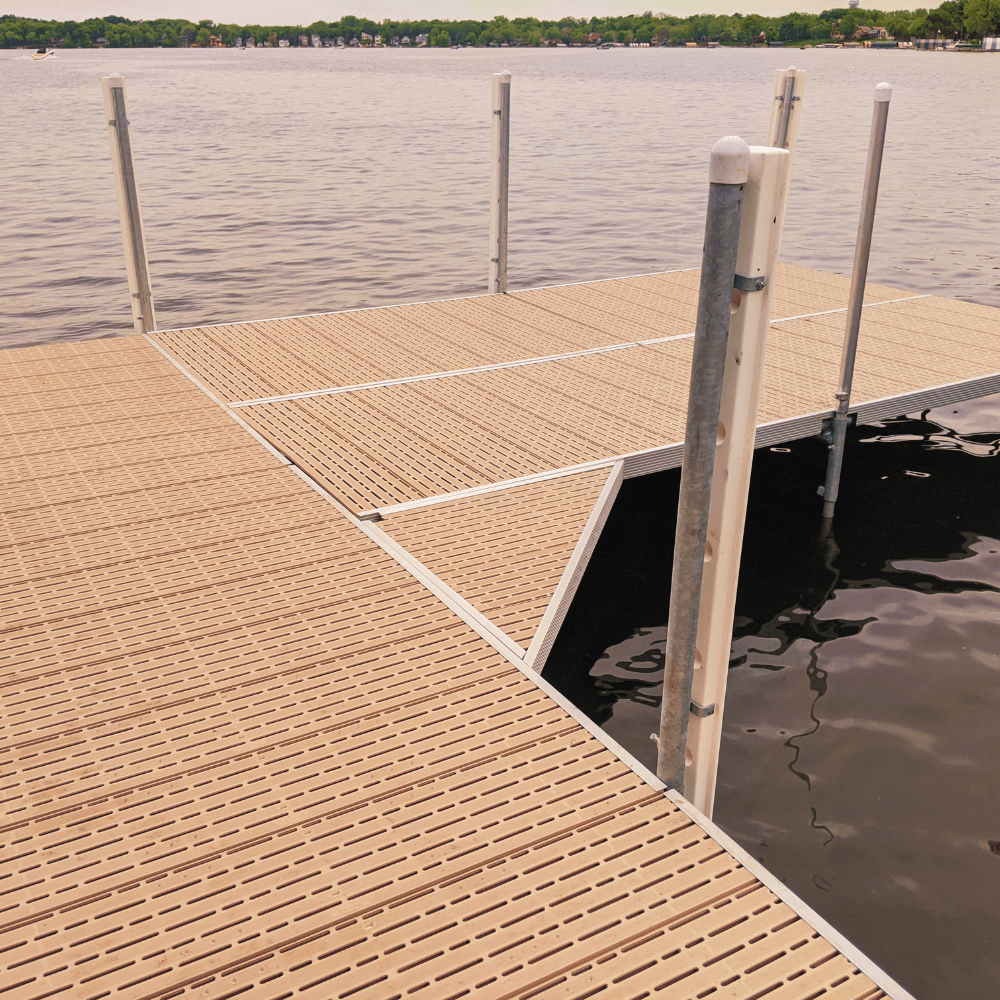
A dock inspection is a full-length inspection of the components of the dock once the construction is completed. Generally, an inspection company will inspect and report on the following:
- Pilings
- Piling caps that protect pilings from water damage
- Safety hazards
- Railings
- Electric
- Boat lifts
- Electric, including water protection coverings and GFCI protection
- Motors and cables/assembling of the boat lift
- Plumbing
- Boat lift housings/roof (if applicable)
- Piling wraps
- Hardware condition
- General structure and retaining walls
- Other hazards and recommendations
8. Maintenance
The ARMY CORPS OF ENGINEERS ordinates with Public Law 99-662, section #1, “Dock must be maintained in a usable and safe condition at all”. Maintaining a dock increases its lifespan and enables the best use of the dock. The maintenance process has different steps, from cleaning to refinishing. We have discussed the details of an effective maintenance cycle in the section below,
Cleaning
Docks rack up dirt and moss which results in a slippery surface. Removing this slippery layer restrains accidents and makes sure the dock looks fresh and new.
Inspection
Regular inspections of existing structures protect you from accidents and injuries by making sure the dock walkway is safe to use. Moreover, the safety inspection procedure also increases awareness and reminds us to be mindful of potential risks.
Winterization
Winterization means the protective actions to protect the doc from being frost. For example, a de-icing system can help your dock system with this. De-icers downtrend the ice formation by spreading warm water on the dock surface and letting the water drain.
Refinishing (if applicable)
Wood docks need re-sanding and re-sealing once in a while to maintain their appearance and protection. For example, a de-icing system can help your dock system with this. De-icers downtrend the ice formation by spreading warm water on the dock surface and letting the water drain.
Conclusion
A dock provides enhanced convenience and easy access to any type of water riding. With a private dock, you no longer have to face traffic to ride your boats to a public dock. Instead, you can easily park your boat on your property and take it out into the water at your own choice of time and priority. Tonka Built can help you make an efficient and aesthetic dock of your own.
Choosing Tonka Built promises a perfect match to your vision, with professionalism and expertise. Feel Free To Call 952-221-5340 and start building your dream dock today!!
Leave a Comment
You must be logged in to post a comment.