

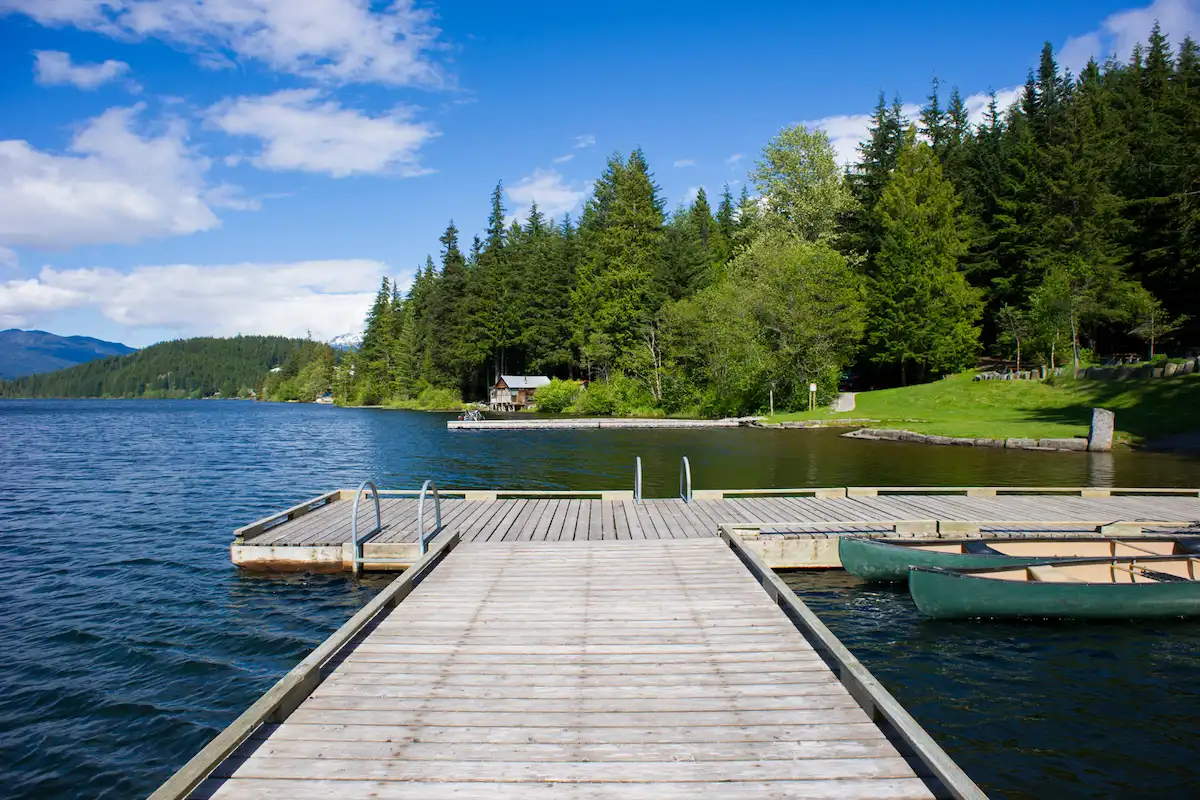
Dock Construction Fundamentals: Everything You Need to Know
In many waterside cottages, cabins, and chalets, the dock serves as the primary focal point. A boat dock that is well-designed and well-constructed will provide years of excellent service. Therefore, it is important to take the time to plan your next dock build with your particular requirements in mind. Understanding some dock construction fundamentals can prove to be handy in this regard, especially when choosing a reliable Dock Installation Service.
So, in today’s article, we will discuss everything you need to know about building a fine and sturdy dock. We will discuss types, shapes, environmental factors to consider, and other basics of a boat dock. Keep reading to make your waterfront property a place to be envied.
Different Types of Dock Styles
There must be a place for every boat to stay. And docks are the spots where the boats can rest and be stored.
There are a lot of different kinds of boat docks on the lake. Every single one has its unique pros and cons. Check out the options if you want to build a dock on your lake property.
Piling Dock
Most people think of piling docks when they picture a dock on a lake. Pilings are heavy wooden beams that are driven deep into the lakebed. They look like telephone poles but are shorter. The frame is then attached to the pilings, making a strong wooden path.
These docks have the advantages of stability and strength. They are less likely to be washed away by floodwaters. Hence, people can build them near rivers and streams where water flows quickly, but the water level is consistent.
The main problem with piling docks is that they are expensive to build and keep up with. Depending on how they are installed, piling docks usually cost $20 to $40 per square foot. Installation costs can go up or down depending on things like lake depth, climate, and local rules.
The extra labor and materials needed to provide the strength of these docks increase the maintenance costs. Also, piling docks are not adjustable to the height of the water body.
So, what is the best use of piling docks? If you have a bigger boat, these docks work well. It is also possible to fish from them or just put your lawn chair down and enjoy the sun.
Floating Dock
A floating dock is made up of an anchored floating platform made of big, airtight drums. A wooden platform is built on top of this floating platform. The structure floats on the water, but it is big and stable enough to be used as a boat dock.
Floating docks have the advantages of versatility and lower cost than piling docks. They usually cost between $20 and $35 per square foot, and they need less space than piling docks.
Also, floating boat docks rise and fall automatically with the level of the lake. During the winter or when they need repairs, you can also pull them out of the lake. Unfortunately, floating docks are not as stable. The current moves them around, and the danger of getting washed away often arises during floods. These docks are excellent for people who own smaller water vehicles, like fishing boats.
Crib Dock
To build a crib dock, rocks or other large objects are put inside a large container or frame. After that, decking is added on top of the frame to connect it to the shoreline.
While floating docks aren’t stable, crib docks fall on the opposite side of the spectrum. These docks are very strong, long-lasting setups. Building a crib dock means extending your shoreline out into the water!
The cons of crib docks are their price and the regulations about them. These docks can be very costly. Also, many places do not let people build crib docks because they damage the environment. They stop the water from moving along the shore, hamper lives underwater, and could be a problem during a flood.
Suspension Dock
The suspension dock is a new type of dock that has been added to the options. In almost every way, these docks are the exact opposite of crib docks. Like a suspension bridge, they are made of a metal frame that is built to hang over the water.
The best places for suspension docks are in places where the ecosystem is weak. They have almost no effect on the plants and animals in the area. Besides, many homeowners like how beautiful and classy suspension docks look. Also, many of these docks can move up or down depending on the water level.
The price could be a matter of bother when it comes to a suspension boat dock. These are some of the most pricey docks. And it usually takes a lot longer to plan and build such types. Suspension docks are good for homeowners who can afford a more expensive dock but do not want to disturb the wildlife.
Pipe Dock
A pipe dock is also known as a “pipe leg dock.” They look a lot like docks with wooden pilings, but they have a frame made of heavy aluminum pipes. The pipes make a metal frame for the wooden planks on top.
Growing numbers of people are using pipe docks in water that is less than eight feet deep. They are not as strong as traditional wooden piling docks, but that does not matter where the water is shallow.
When lakes freeze over, pipe docks do not work well because the pipes get damaged over time from the constant cycle of freezing and melting. However, the best thing about these docks is that they are much cheaper than regular docks.
Double-Decker Boat Dock
Docks with two levels or decks come with more features. On the lower level, there can be one or two boat slips. The upper deck may have jump gates, slides, and platforms for jumping into deep lakes for fun.
The two biggest benefits are:
- These docks are spacious as they come with two levels.
- Their overhead coverage offers protection for boats.
The biggest downside of these docks is that they are very costly. Moreover, although they provide extra space, a bigger dock requires more maintenance and more operating space.
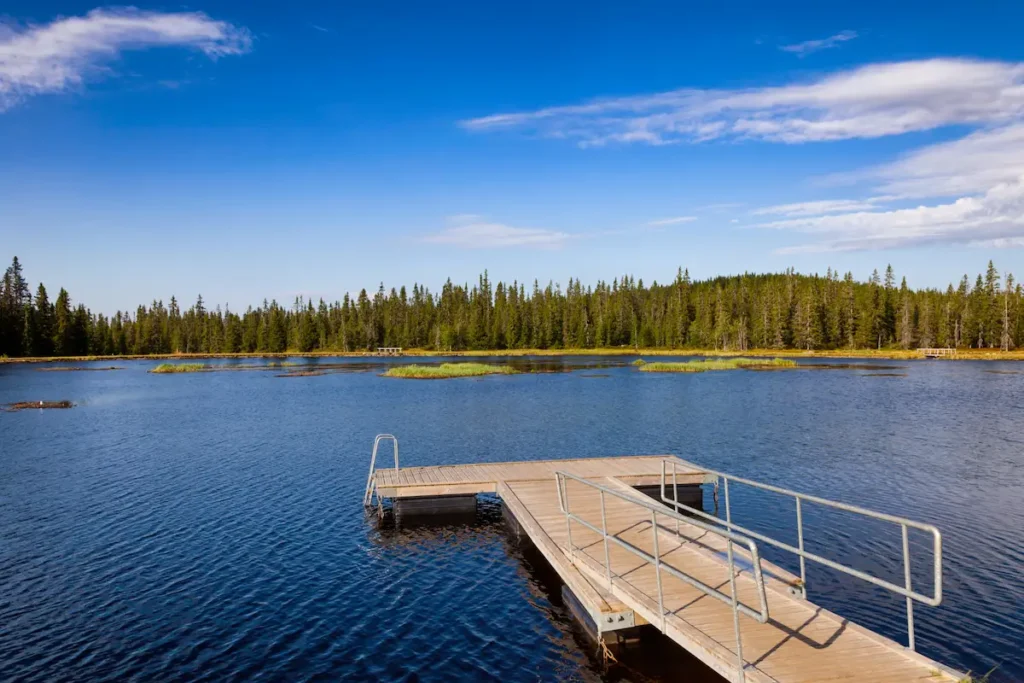
A Guide to Dock Shapes and Configurations
A dock is usually thought of as a straight, wooden structure that has been used for hundreds of years. Having a straight-shaped dock has some benefits, but it is not the only choice you have. There are a variety of shapes and sizes that can match your needs and property.
If you do not know which shape to choose, the first thing to think about is the space you are working with. A straight shape might be enough if you do not have much room and live close to your neighbors.
What if you have more room? Do you want to accommodate more water vehicles? Then, you can be creative and make designs in any shape you can think of, like an L-shape or a T-shape.
It is not just the shape that makes the difference, though. You should also think about what kind of material you will use to build the dock and deck. Your construction should also be environment-friendly.
Environmental Factors to Consider During Dock Construction
Where you live and the environment around you have a significant impact on the type of dock you build, whether it is fixed or floating. Let’s look into some of the environmental factors that are mandatory to consider:
- Water Depth: If the lake or river’s water line is over four feet, a floating dock is best. Fixed docks are best for water under four feet deep. At less than four feet deep, a floating dock can be punctured.
- Local Weather: A floating dock is best for hurricane-prone, thunderstorm-prone, high-wind, or flood-prone areas. In bad weather, wind and waves can rock your boat. A floating dock moves with the boat, while a fixed dock stays put. As the fixed dock doesn’t move, a boat crash can damage it. Besides, bad weather and heavy rain can submerge and damage a fixed dock.
- Water Fluctuations: Floating docks are best for fluctuating water levels because they stay with the water. This characteristic makes it easy to move from the dock to your boat and back.
- Floor Conditions: Water floors vary even along the same shoreline. Lakes, rivers, ponds, and the ocean contain sand, mud, silt, rock, clay, and vegetation. What you find will determine your dock type:
- Bottoms made of sand, silt, and mud can not hold the pilings or pipes of a fixed dock and work better for floating docks.
- Clay and rock can hold both fixed and firm docks.
- Boat traffic: Waves are likely if you live on a busy body of water. Busy waterways suit floating docks because they move with the water. A fixed dock is a good investment for a quiet lake residence.
Dock Construction Fundamentals
Experience at your waterside property can be more fun and relaxing with a well-built dock. Many people who like to boat build docks where they can launch their boats, jet skis, and kayaks. Conversely, others want to build a dock to fish from or just have a place to relax or swim.
No matter why you want to build a dock, you should know that it needs to be carefully planned. This includes planning, designing, building, and regular maintenance to make sure your dock stays in great shape for years to come!
Planning and Designing
The first step in dock building is planning and thinking about the design you want. Also, consider how you’re planning to use it. You need to clearly inform your dock building company about these considerations. Here are some things you should think about before you start the project:
- Location: First, build your dock somewhere on your property that is safe, accessible, and deep enough for your boat. When choosing a dock location, consider water depth, distance from shore, and local weather.
- Size: Your dock size depends on your needs, preferences, and watercraft size. Think about dock length, width, and height. Additionally, consider your dock usage. If you want to add seating and storage space, the size will be different. When unsure of your dock’s size, consult a local dock expert.
- Materials: Your budget, water activity, and preferences will determine your materials. Common materials homeowners choose include wood, composite decking, and aluminum. Make thorough research on the looks, maintenance requirements, and price of each available option before choosing one.
- Style: We have discussed different types and styles of docks above. For further assurance, ask your local professional dock builder about dock styles. They will help you pick the best possible solution.
- Permits: Prior to building your dock, you may need local government permits. For details, contact your local planning and zoning department. Some counties or cities require dock permits. You can avoid the hassle by having your dock builder get the permit.
Construction
Dock construction isn’t a piece of cake. It’s an extremely tricky task that requires trained professionals. Hence, we highly recommend consulting a renowned docking company for construction. They will make a definitive plan customized to your preferences and make the construction look easy.
Besides, we have given a brief idea of how the installation works for each type of dock above. Although it doesn’t cover the whole process, you can still get the basic idea from there.

Maintenance
Your dock is likely to be useful for many years to come if constructed and tested right! To make sure your dock lasts even longer, you will need to take care of it on a regular basis.
Please follow these suggestions:
- Inspect Periodically and Make Repairs As Needed: Check your dock for wear and tear regularly. Inspect wooden docks for loose boards, rusted hardware, and rotting wood. If you notice any damage or anything unusual, contact your dock contractors to make repairs as needed. They will come, check, and take the necessary steps to make your dock as good as new.
- Clean Regularly: Clean your dock as frequently as you can to get rid of dirt, debris, and algae. Try a pressure washer or mild detergent and a scrub brush. Avoid harsh chemicals that could damage the dock or marine life.
- Protect It From the Elements: To protect your dock from the sun, add a roof or shade structure and use weatherproof materials. Use marine-grade dock hardware to avoid rust. If you have a temporary or seasonal dock, you may want to remove it and store it for storms. A permanent dock is more storm-resistant.
- Pay Attention to Weak Spots: It is important to strengthen any weak spots right away because the next storm could be the one that destroys your dock. Weak spots could be the hinges that connect your dock to the ground or other important hardware. Repairing it will cost more than upgrading it, so choose wisely.
FAQ
Q. How Much Does It Cost To Build A Boating Dock?
Ans. A boat dock’s complexity and materials affect its cost. The average dock construction cost is $16,524, with a range of $4,429 to $29,320. The cost per square foot installed ranges from $15 to $60, depending on size, material, type, and features.
Q. What Is the Best Material to Make a Boat Dock?
Ans. The best boat dock material depends on location, budget, and personal preference. Common materials are steel, aluminum, plastic, and wood. Wood is the cheapest, but aluminum is corrosion-resistant and low-maintenance. Besides, the durable and fairly dense nature of composite decking also makes it a favorable choice.
Q. What Lumber Is Best for a Boat Dock?
Ans. The most common and affordable boat dock lumber is pressure-treated pine. This option has the lowest initial cost and can last over 20 years with annual maintenance. Cedar, tamarack, hemlock, and Douglas fir are other available alternatives.
Conclusion
Building a dock can be a delightful and rewarding project that will make your time on the water more enjoyable. To ensure your dock lasts for years, you should carefully plan and design it. You should also build it using the right methods, keep it in good shape, and fix any problems that come up.
And with Tonka Built, all of these tasks will become a breeze. As dock specialists, we install and remove docks, boathouses, and lifts. Our sturdy, versatile, and easy-to-maintain stationary dock systems are a highlight in the Lake Minnetonka area. Contact us today for any of your docking needs.
Leave a Comment
You must be logged in to post a comment.