

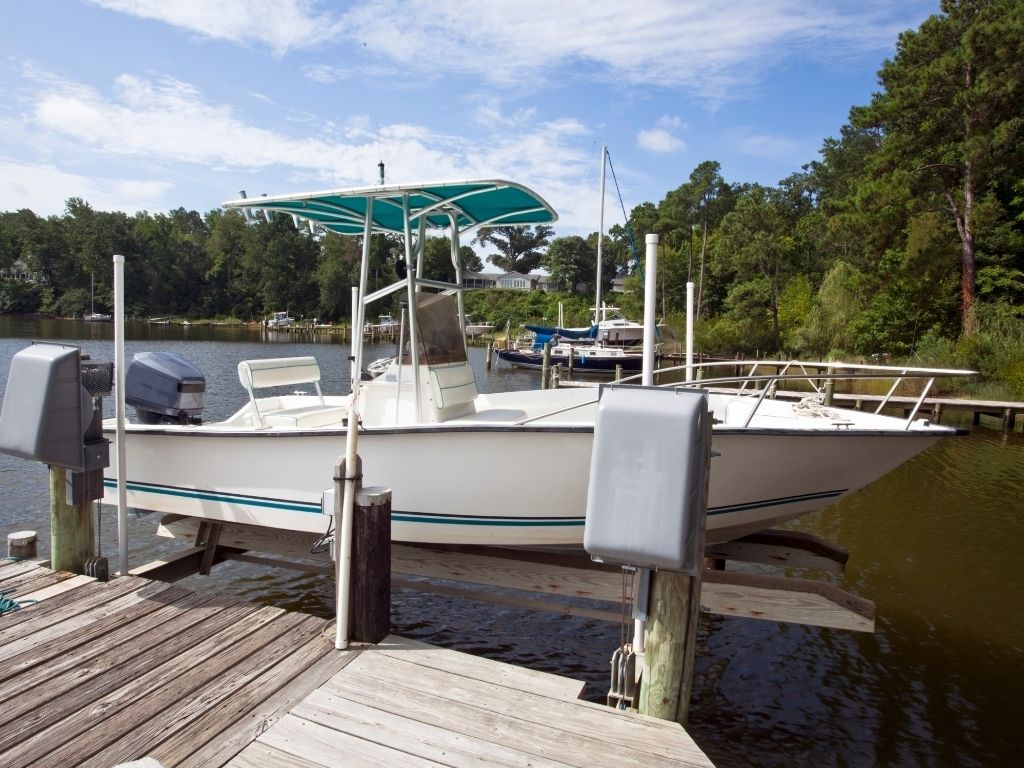
Constructing Your Floating Dock Ramp: What You Should Know
If you own a boat, run a public boatyard, or manage a marina, you understand the importance of constructing a good floating dock and ramp. A properly constructed floating dock ramp transforms your waterfront property, increases its resale value, and makes it easy to access their boats.
While there are multiple docking options available, floating docks are an excellent choice for their durability, adaptability, and ease of maintenance. Fortunately, many online resources provide guidance for those learning how to build a floating dock ramp. Advancing technology has also made it more possible to construct sleek and attractive floating docks.
Below are a few things you should know before thinking of building floating dock ramps on your waterfront property.
What to Consider Before Building a Floating Dock Ramp
Unlike stationary dock ramps, floating dock ramps have unmatched adaptability to different water conditions, are versatile, have easy and affordable installation, and offer maximum boat protection. They can also be customized over time, unlike stationary ramps. Below are a few things to consider before constructing a floating dock ramp.
- How Do You Intend to Use the Floating Dock Ramp?
Floating dock ramps come in handy in various ways. They allow easy access to your boat and can provide an excellent swimming platform for avid swimmers. However, since they are portable, they can move with water waves, causing problems in waterways with a lot of traffic. Consider the intended function before learning how to build a dock ramp.
- The Water Depth
Floating docks are best constructed in water bodies with minimum depth. They can adjust to the rising and dropping water levels. If the water level drops very low, the dock ramp can touch the ground.
- Which are the Best Building Materials for the Floating Dock?
You should choose marine-grade materials if you want a durable floating dock ramp. Similarly, use reliable floats and framing with stainless steel screws to avoid water damage.
Best Decking Material for Floating Dock Ramp
The choice of decking material for your floating dock ramp is overly critical. Therefore, as you gather some knowledge on how to build a dock ramp, you should be learning the different material options as well. Not all dock ramp decking is created the same. Below are a few common materials used to deck floating docks.
1. Wood Decking
Wood decking, specifically IPE hardwood or red cedar, is the common decking option for most traditionalists. These wood types are commonly used because they contain tannins and natural oils that resist decay, insect, and rot. They also don’t necessarily require pre-treatment with harmful chemicals.
They also became popular because most dock owners prefer the look and feel of natural wood decks on their floating ramps. However, wooden decks require regular maintenance compared to other decking materials. Generally, you should power-wash wooden decks annually and apply a protective coat of stain or finish every four years to maintain their appearance.
2. Composite Decking
You can also choose composite materials for your floating dock ramp. The use of composite materials is on the rise, thanks to its low maintenance costs. It is a preferred alternative to wood because you don’t have to sand, stain, or refinish the material before use.
Low maintenance doesn’t mean that composite decks are maintenance-free. Some types of composite decks contain wood fibers, which should be kept clean. Mold and mildew can quickly grow on shady or damp areas of composite decks if left unattended.
3. Aluminum Decking
Most dock owners swear by aluminum decking for many reasons. Unlike wood and composite, aluminum decks are maintenance-free. The material also won’t rot, warp, twist, or decay. Aluminum decks are incredibly light yet durable. They can also be painted, anodized, or powder coated, providing unlimited versatility.
Unfortunately, aluminum decks absorb heat, making it difficult to walk on them barefooted, especially during hot afternoons.
Conclusion
Floating deck ramps provide unlimited access to water for swimming, fishing, or docking boats and other water vessels. They are suitable and adaptable to a wide range of residential, industrial, commercial, and government applications.
Whether you want to construct a private floating deck for your waterfront property or in a public boatyard, you should understand the different facets that will make your floating dock ramp construction a success. You should consider hiring professionals like Tonka Built if this task seems overwhelming.
Leave a Comment
You must be logged in to post a comment.