

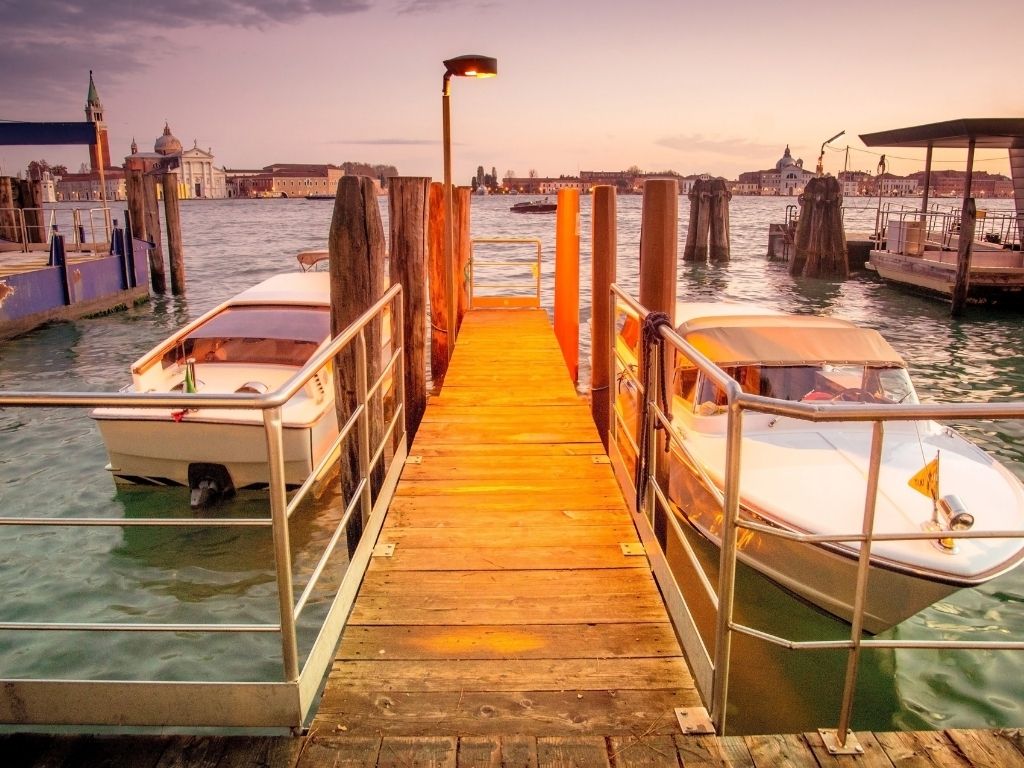
Floating Dock Blocks: FAQs and Key Benefits
Having your private dock is very beneficial for homeowners whose properties border a river, lake, or oceanfront. Owning a private dock provides convenient access to water, eliminates slip or storage fees, ensures security for your water boats, and increases your property value. Like other homeowners with these settings, you might be interested in installing dock blocks but don’t know where to begin. These FAQs provide some basic insights.

What are Floating Dock Blocks?
Floating dock blocks are essentially docks that rise and drop with changing water levels. These modern docks differ from traditionally fixed docks, which were secured with pilings below the water. Floating docks use buoyancy to rest on the water surface, making them a perfect option for water bodies with dramatically changing levels.
Unlike fixed docks, floating dock blocks are easy to reposition, best for storm-prone areas, affordable, easy to install, and very customizable.
What is the Difference Between Pier, Dock, and Wharf?
Size is the only factor differentiating a dock, pier, and wharf. Wharves are large, solid, robust in design, and best sized for commercial ships. Piers have varying sizes, with some large enough to accommodate cruise ships, while others are small enough for family motorboats.
Piers can be attached to pylons or designed to rise and fall with water tides. On the other hand, docks, as mentioned, are small platforms designed for moderately sized water boats and yachts.
How Much Do Floating Dock Blocks Cost?
Most people consider the dock block’s cost when choosing between floating and fixed docks. However, as mentioned before, floating docks are comparably cheaper than fixed docks. Like most installments, estimating exactly how much do dock blocks cost is quite impossible.
The cost of dock blocks varies depending on various factors. Generally, you can spend between $600 and $6000 to install dock floating blocks. As a rule of thumb, the cost of dock blocks should range from $20 to $35 per square foot. However, other factors, such as block material and location, can increase or decrease the total costs.
What are the Main Floating Dock Blocks Construction Materials?
Generally, floating docks should be large enough and stable to support your boat and people. As such, floating dock Styrofoam blocks can be made from various materials, provided it serves their purpose. However, different materials offer different dock block qualities. Common floating dock block materials include;
- Plastic floating dock blocks – some dock blocks are made from plastic material. While they aren’t as appealing as wooden docks, they are made from chemically-derived materials, assuring durability. They are also affordable and can’t rot or rust. Most plastic docks are made from UV-treated materials, enabling them to withstand discoloration and cracks. However, you should replace them after some years.
- Wooden floating dock blocks – everybody loves wooden docks. This dock material remains popular for several reasons. Even though floating dock foam blocks or pontoons should be used, wood naturally floats, is durable, and can be trimmed to different shapes. However, the type of wood used may make them expensive. They also require regular maintenance, from staining, sealing, to extensive sanding, to last long.
- Aluminum floating dock blocks – aluminum blocks are widely popular for several reasons. Besides being durable, they are made from lightweight, rugged metal, which can endure impacts from boats and thrashing storms better than plastic and wooden docks. Aluminum docks also resist corrosion but aren’t impervious.
Which Shoreline is Best for Fitting Floating Docks?
While there is no perfect shoreline for a specific type of dock, most people prefer using floating docks on deep and muddy shorelines with fluctuating water levels. Typically, if water can rise a foot and a half or more, your shoreline can perfectly accommodate a floating dock. Besides, you should consider a floating dock if your shoreline drops deep suddenly.
What are Inflatable Floating Docks?
Inflatable docks are designed primarily for recreation. They are best used as recreation facilities and not as boarding platforms. Also known as floating islands, they have large surfaces and are rarely stable for use in boarding and disembarking boats.
Conclusion
Unless you prefer using a trailer to lower your boat into the water every time, you should consider building a dock for your lakefront home. Unfortunately, choosing the right floating dock material, estimating the costs, and other factors may prove challenging for most people. Working with professionals is the best option when building a new dock or renovating a damaged floating dock.
Leave a Comment
You must be logged in to post a comment.