

Common Mistakes to Avoid in Dock Construction
If you own a lake house property, chances are you will eventually think of constructing a small dock for fishing, soaking in the sun, or easing access to your boat. Unlike before, more homeowners have sought how to build a small floating dock on their waterfront properties for many reasons. While some are doing it to ease their boating activities, others construct docks to improve their property value.
Regardless of their reasons, most homeowners can’t settle on the best design due to the many small lake dock ideas. Apart from the design, homeowners should also be cautious to avoid the following common dock construction mistakes and consider a Dock Installation Service.
1. Not Planning for the Structure
While docks are primarily used to anchor boats, you can build a small dock for many other functions. For instance, those who love fishing can fish from the dock, while art enthusiasts can use it to display their art. You can also place some tables, chairs, and a shade to relax and enjoy the cool breeze.
Whatever you intend to do with your dock, you should plan before constructing rather than after. Planning for the dock ensures that you choose a design with important features that serve the specific function. For instance, DIY enthusiasts who want to create a handyman workshop should plan for a strong dock that won’t collapse easily. It should also have sufficient electric supply and proper lighting.
2. Not Selecting the Right Materials and Tools
Another common mistake is failing to select the right dock construction materials and tools. Choosing the right materials is key to building a reliable dock that won’t easily collapse. Your material of choice determines the quality and longevity of the dock. Common dock construction materials include;
- Wood – An attractive material for those who want to achieve a specific visual appeal. Wood also naturally blends with the environment. However, you should choose from a wide range of staining options and choose the right treatment. The only drawback is that wood requires regular maintenance.
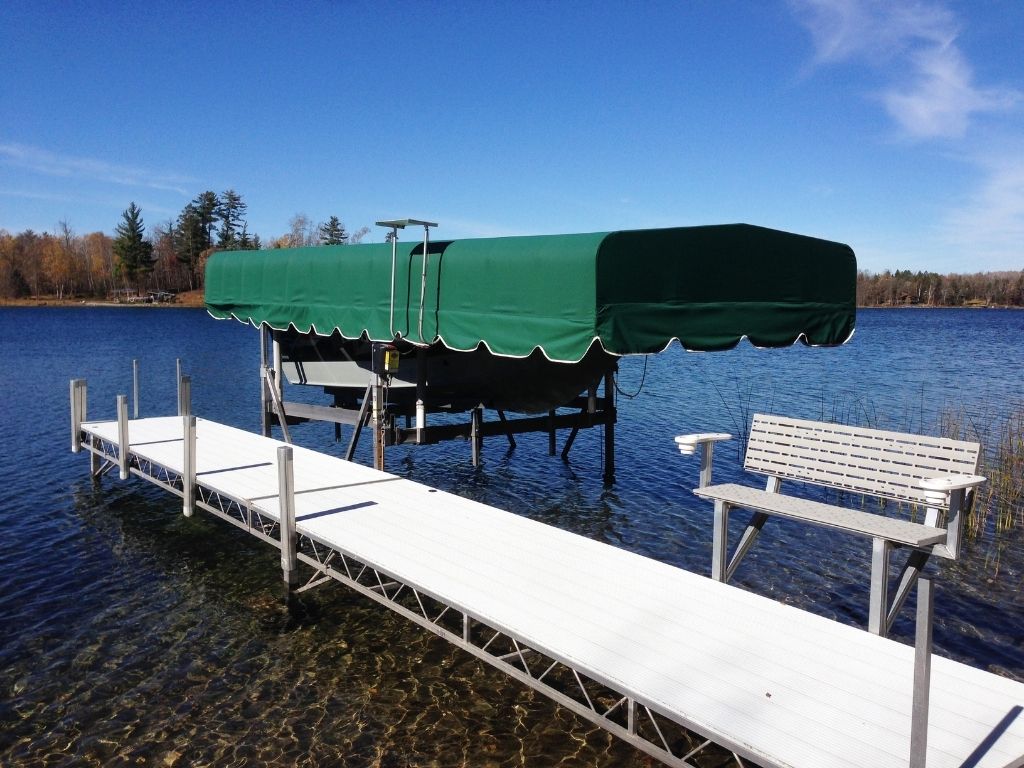
- Aluminum – you can use aluminum to construct your small dock. Unlike wood, aluminum is lightweight, valuable, and low maintenance.
- Steel – is another popular dock construction material. While it is the sturdiest material, it is quite expensive and much suitable for the construction of commercial docks.
- PVC – is another strong contender that can be used to construct a small quality dock. Some waterfront property owners prefer PVC for its low maintenance nature, excellent heat dissipation ability, lightweight, and slip resistance.
Besides choosing the construction material, you should also choose water-resistant tools, such as screws, galvanized nails, and other accessories, such as furnishing and lighting.
3. Not Seeking Permits
While you don’t need a license or permit to renovate your bathroom or kitchen, dock construction is entirely different. Constructing structures over water bodies are controlled by local authorities. Nearly all waterfronts in the U.S require prior permits from local governments. You should submit your building plan and acquire a license to avoid heavy fines.
4. Not Hiring a Reliable Contractor
Most homeowners overlook the importance of hiring professional contractors to reduce construction costs. Unfortunately, even DIY experts need some professional advice from marine contractors. While the steps on how to build a small dock aren’t complicated, professional input provides assurance of building a structure that won’t require regular repair or replacement. Contractors also provide a guarantee and warranty, allowing you to enjoy your small dock for long without future unexpected expenses.
5. Ignoring Safety Precautions
You shouldn’t compromise safety when constructing a dock. You should include all the safety procedures to ensure that you and other people are safe during and after dock construction. Safety during dock construction starts with selecting quality materials.
Choosing the best materials for your dock construction prevents structural collapse. You should also install additional safety features, such as railings, to prevent people and objects from slipping into the lake water.
You should also be cautious when handling electrical tools to avoid being electrocuted. Always insulate and ensure that active electrical wires don’t contact water.
Conclusion
Building a dock is an expensive and challenging project regardless of the size. Therefore, you should direct all efforts into ensuring that you build a strong, quality, and long-lasting dock. Watching out for the mistakes mentioned above ensures that you build a dock that serves its purpose. As usual, working with professional dock contractors is prudent.
Leave a Comment
You must be logged in to post a comment.